Uncategorized

Why I’m Not Showing This Weekend

There’s a home show at the barn this weekend, on Sunday. I have the day off, have a healthy pony, and had actually tentatively planned on entering as recently as two weeks ago.

As the entry date got closer and closer, I realized I had not strong urge to show. It wasn’t like I was worried or nervous – one of the nice benefits of having a senior horse is the distinctly low or even nonexistant level of fucks I have to give about proving myself. More like I just didn’t feel any fire.

I thought a lot about where we are right now as a partnership. In some ways, we’re better than we ever were. In other ways, we’re worse.

See, taking him back to fundamentals in re-installing his driving aids and confirming his forward tendencies has been really good overall. Without question, he is moving better and more easily and working on forward has untangled some other problems. And I know that when we start to ease off this boot camp the rest of it will still be there to access, because he keeps trying to offer it. (For which he gets praise and thanks but I don’t take him up on the offer, because it’s not what I want to work on right now.)

On the other hand, focusing on forward means that he’s not exactly in a place I want to show off right now. His best moments are betterr than they’ve ever been! But I honestly feel no need to try to bottle them all up to put into the movements of a test. We have enough ~60% scores and third-place ribbons at Training Level. I’d rather go out and either really crush a Training test, or flop at First Level. (Honestly, I’d prefer the latter.)

There’s another home show in the fall that, all appendages crossed, might be a good time to take a swing at First Level. That’s my goal now.

On a purely “small obstacles that could have been overcome but meh” level, I opted to save the $60 entry cost, and have a boatload of yardwork planned around the house this weekend. 

So here we are: thinking hard about First Level for the fall. The only reason I am even a tiny bit sad to opt out is that I do like to show support for the barn. It’s usually a pretty full show – my entry won’t make or break it! – but still.

Anyone out there in a similar place, or are you ready and eager to go out and show this season?

Uncategorized

Lesson Notes + Follow Up

First: this two lessons a month thing is one of the best things I’ve done for myself in a very long time. It’s right up there with my decision to bake 2-3 times a week. Good self-care and adulting, hooray me!

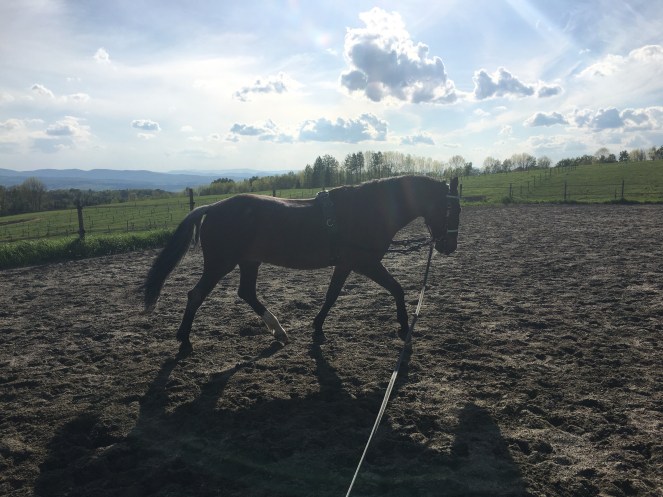
So, notes from last week’s lesson, with lunging pics to break up the chunks of text:

  • Continuing on the FORWARD theme, I need to be even more careful about blocking with my hands. he’s way way way over-sensitive to any hint of back or slow down, so I need to be extra-careful about following hands without even the slightest whisper of blocking
  • We got him so ticked off about going forward in the trot that he offered up a pretty impressive (for him) angry dolphin leap. I laughed so hard I basically dropped the reins, which is…not the appropriate reaction in that situation. That’s the good/bad of having ridden him for so long and knowing him so intimately. It’s not like he was going anywhere. He was just being pissy. Nevertheless, I was quite appropriately reprimanded by my trainer, because the answer to “eff you lady I’m going to kick up my heels and be snotty instead of going forward” is “GO FORWARD ANYWAY, HORSE” not collapsing in a heap of giggles. So when he did it again, I picked him back up immediately and kicked on and made him translate his (tiny) rage into a forward canter.

img_3388

  • My frustrated decision to pull my spurs after my last lesson and the realization that I have been over-relying on them has paid off. It’s made me pay far more attention to the way I use my legs.
  • Tristan is getting noticeably more fit: he’s recovering faster, more willing to go for longer, and slower to sweat. Good news! Right now, I’m pretty darn happy with his overall health, though I always want more fitness.

img_3359

I’ve been putting some of these lessons into practice, particularly outside, where I have been reluctant to really push for forward on account of how sometimes he turns into a raging asshole. So far: success!

The biggest thing we’re trying to work through outside is the line between a forward trot and a canter. When I ask for a bigger trot, sometimes he just flings himself into a canter. And it’s a tough line between rewarding for response to the leg aid but also making clear that’s not what I wanted. So I’m vacillating between pushing him HARD once he gets into that canter (if you’re going to canter, it had better be forward) and trying to establish a very gently barring outside rein.

img_3401

See, this would be easier if he were on the bit and/or at less reactive to any hint of stop, because I could just ask him to go forward more into my hands, instead of just blanket forward. Forward more into my hands would help establish more trot instead of canter. He’s better about not flinging into canter when I have him at least holding the bit with a following rein, as opposed to totally loose rein (which is necessary when starting out to establish our baseline).

I don’t have a good answer yet, but I suspect it’s some combination of chipping away at a baseline forward trot (so he has an answer that he goes to more regularly), being more subtle with my aids (so I can more clearly differentiate between “more forward” and “change gait,” especially trot-canter), and all-around mileage with this new way of going.

Uncategorized

Memorial Day 2018 Haul from Riding Warehouse

It started so simply: we’re pulling Tristan’s shoes soon so I wanted to get some Magic Cushion as an overprotective preventive measure.

Then, as often happens when the words “Riding Warehouse” and “sale” happen in the same sentence, things escalated.

So, here’s the haul.


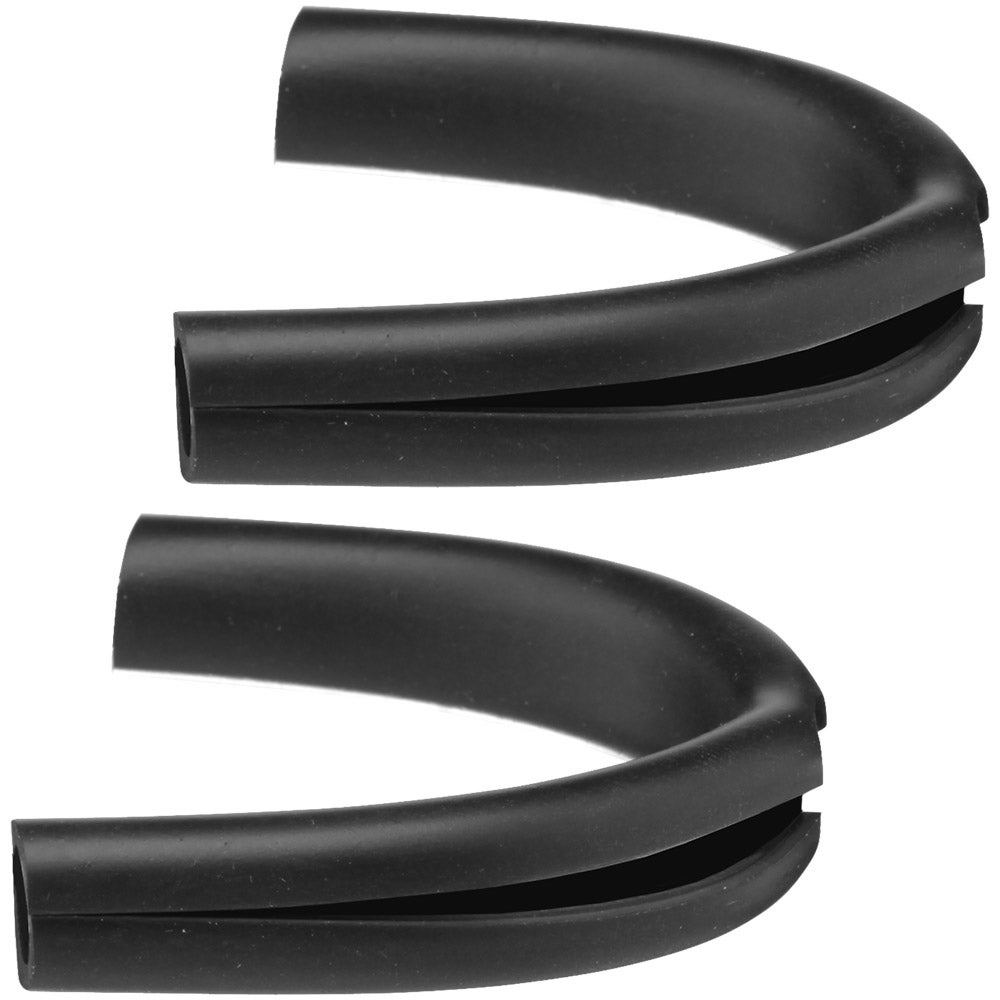
Centaur Rubber Spur Protectors: yeah, admittedly boring, but I just got those lovely new tall boots and I want to keep them unscathed.

Site note on RW’s amazing customer service: I remembered that I needed these about 0.0000005 seconds after I had hit the checkout button. Oops. But! I replied to the email I got confirming my order and said “pretty please can I add these for the same shipment?” And I had a reply within the hour on the Saturday of Memorial Day weekend. And they just added them for me, no muss, no fuss. I LOVE RIDING WAREHOUSE.

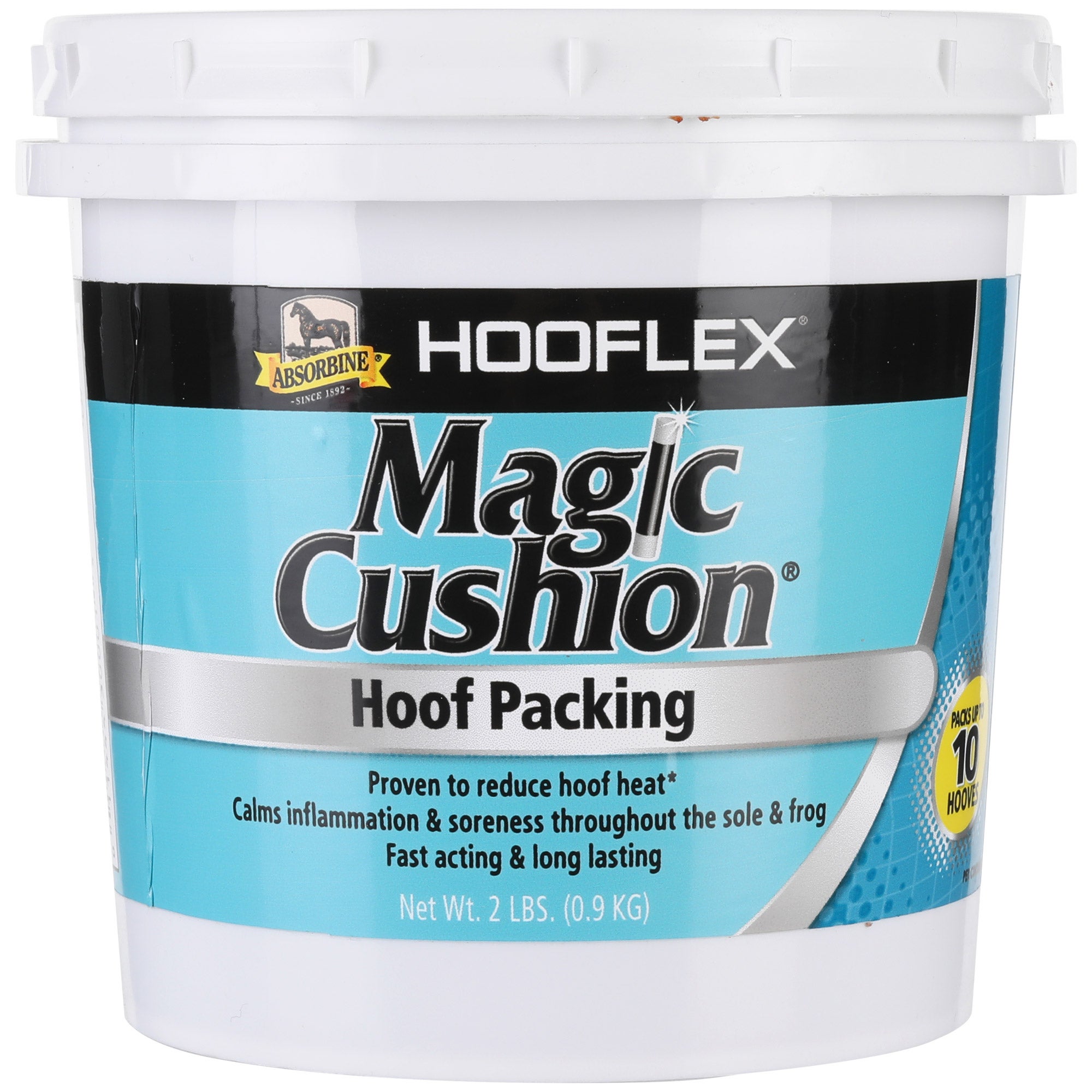
Magic Cushion: the stuff I actually started shopping for. I like to keep it around, and a pending barefoot transition seemed like the perfect time to replenish my supply. I’ll mostly use this after road hacks to take any sting out – and I fully expect there to be some sting. I’ve transitioned Tris back a few times now and my personal philosophy tends to be to expose him to some discomfort in order to toughen up his soles early on.

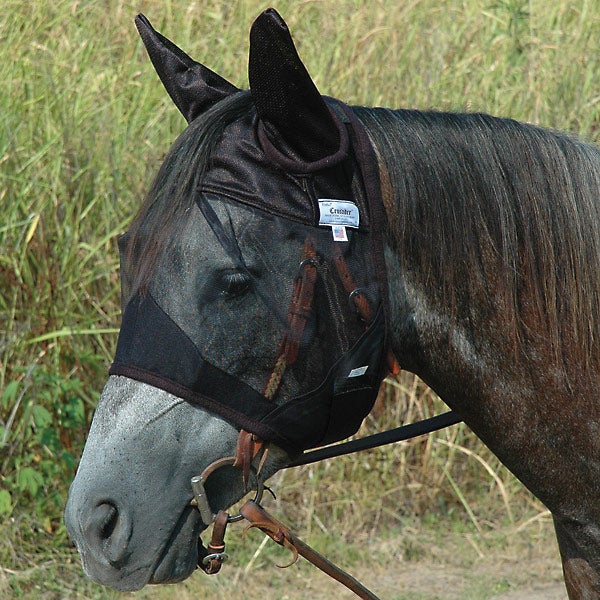
Cashel Quiet Ride Fly Mask with Ears. Okay, I’ll cop to not being entirely clear as to what differentiates this from just a fly mask, but it’s basically the same price so why not? I’ve been eyeing something like this for hacking out in the field for some time now. Tristan flings fly bonnets off his head with practiced ease, and when he gets really annoyed at bugs it can derail an entire ride. So I’m hoping this is a good alternative.

(For real though how on earth are you all getting those stupid fly bonnets to stay on? one good head toss from a fly and Tristan’s is hanging halfway down his face. I just can’t justify spending actual money on something I spend half the ride leaning forward and putting back into place.)

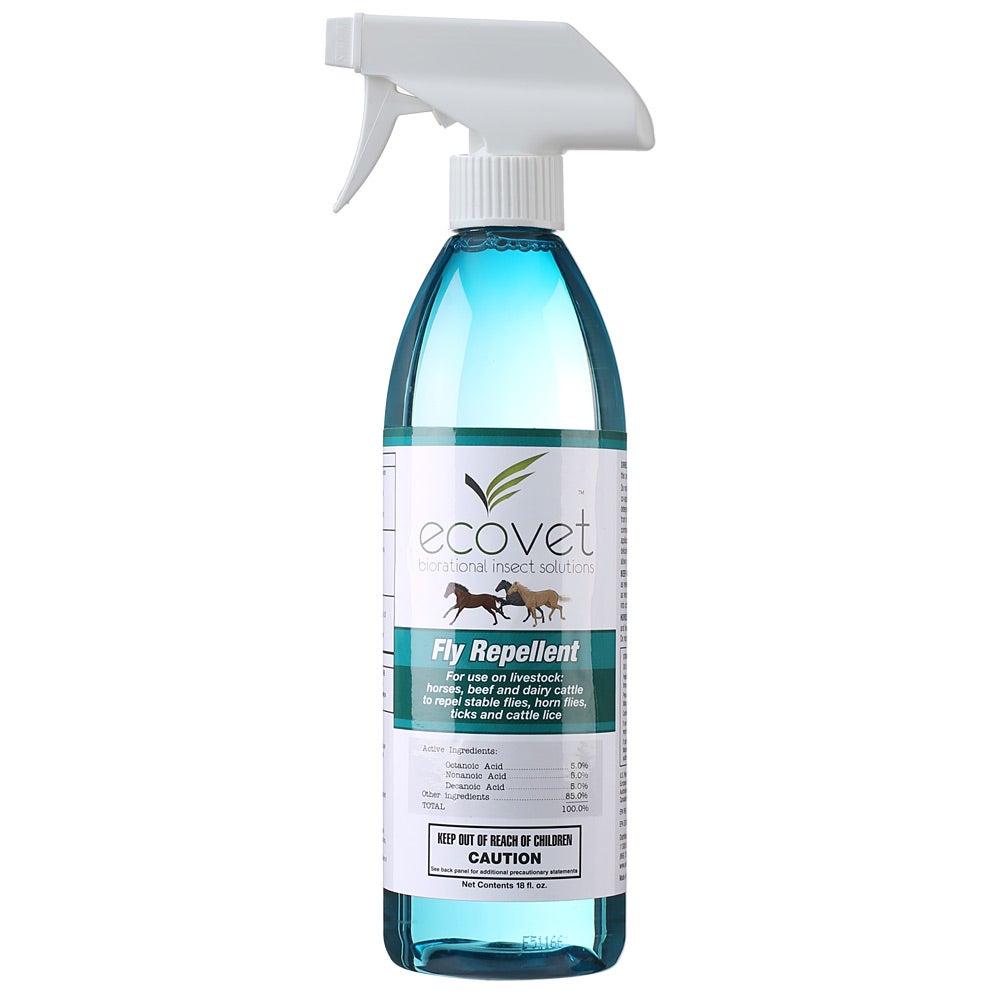
Ecovet fly spray. I saw a lot of raving about this on the internet last year, and it’s time to start stocking up, so I picked up a bottle of this to start out the season with. I’ve tried a lot of different fly sprays, like many of you, and found pretty small variation in effectiveness, so I’m always up for experimentation.

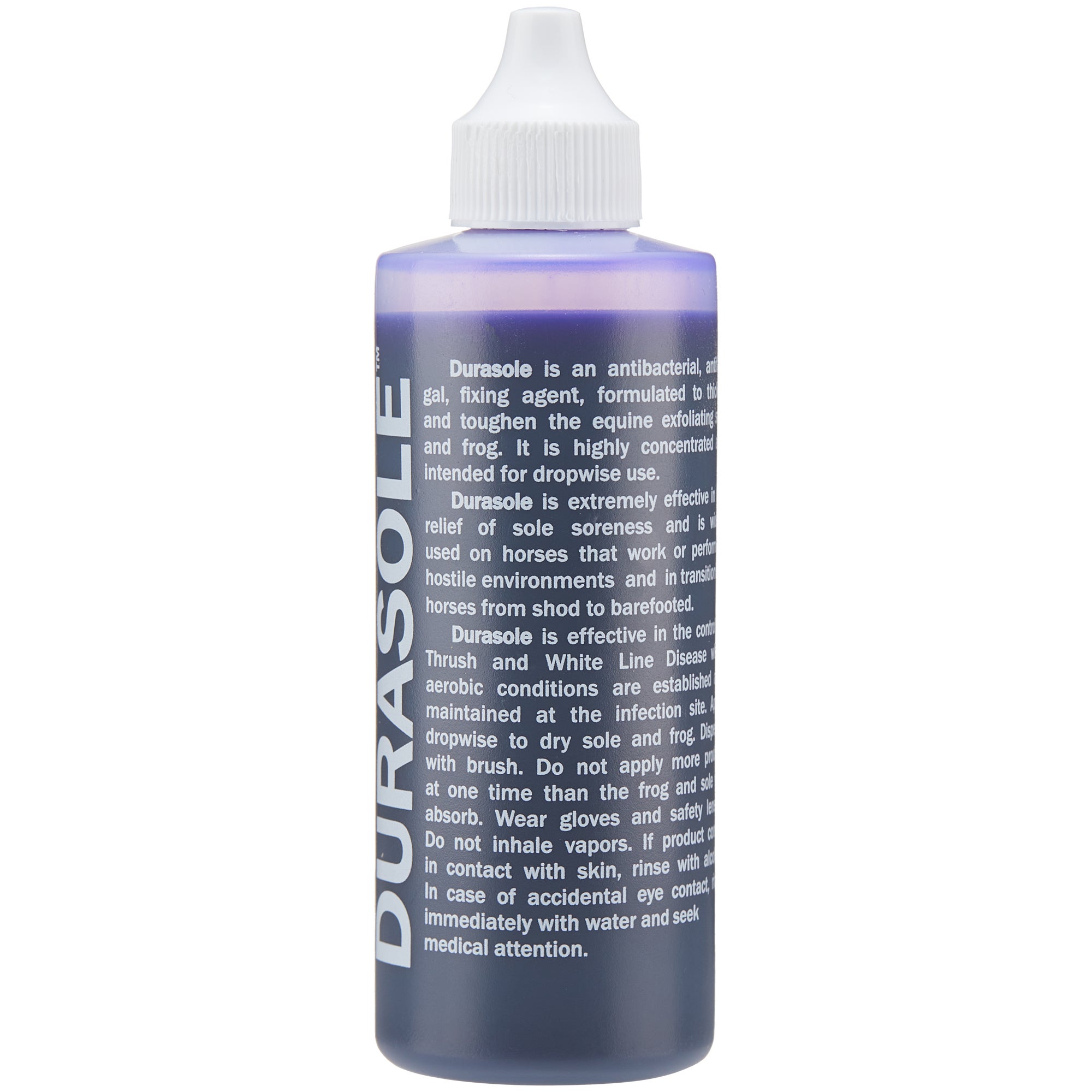
Durasole, two bottles. THE MIRACLE STUFF. See also, transitioning back to barefoot.

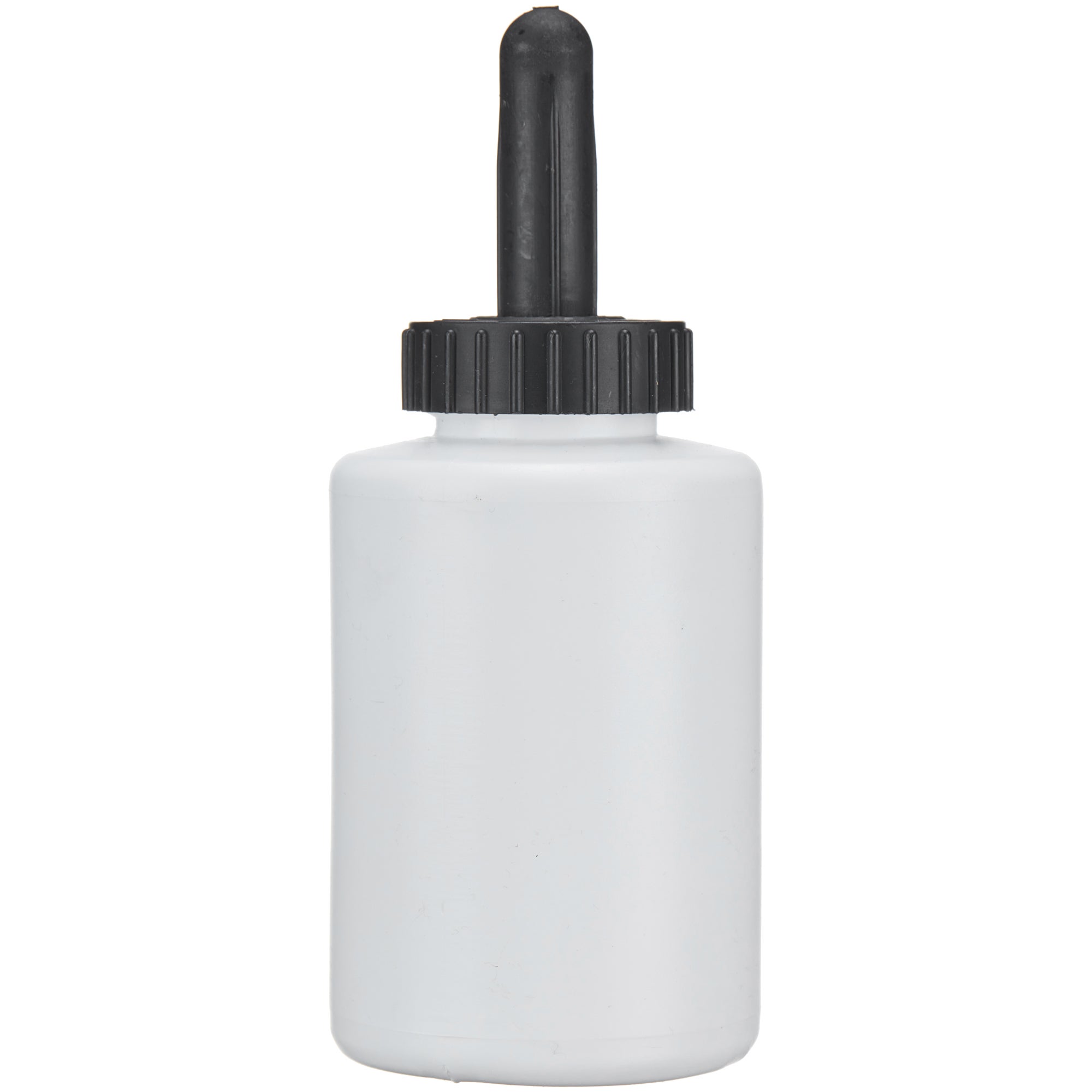
Hoof oil can with brush. I still really like my previous method of applying Dursole, but after several years of use it’s not in great shape. This was cheaper than a new one and very much what I’d been looking for in the first place, so here’s hoping it fits easily into the workflow.

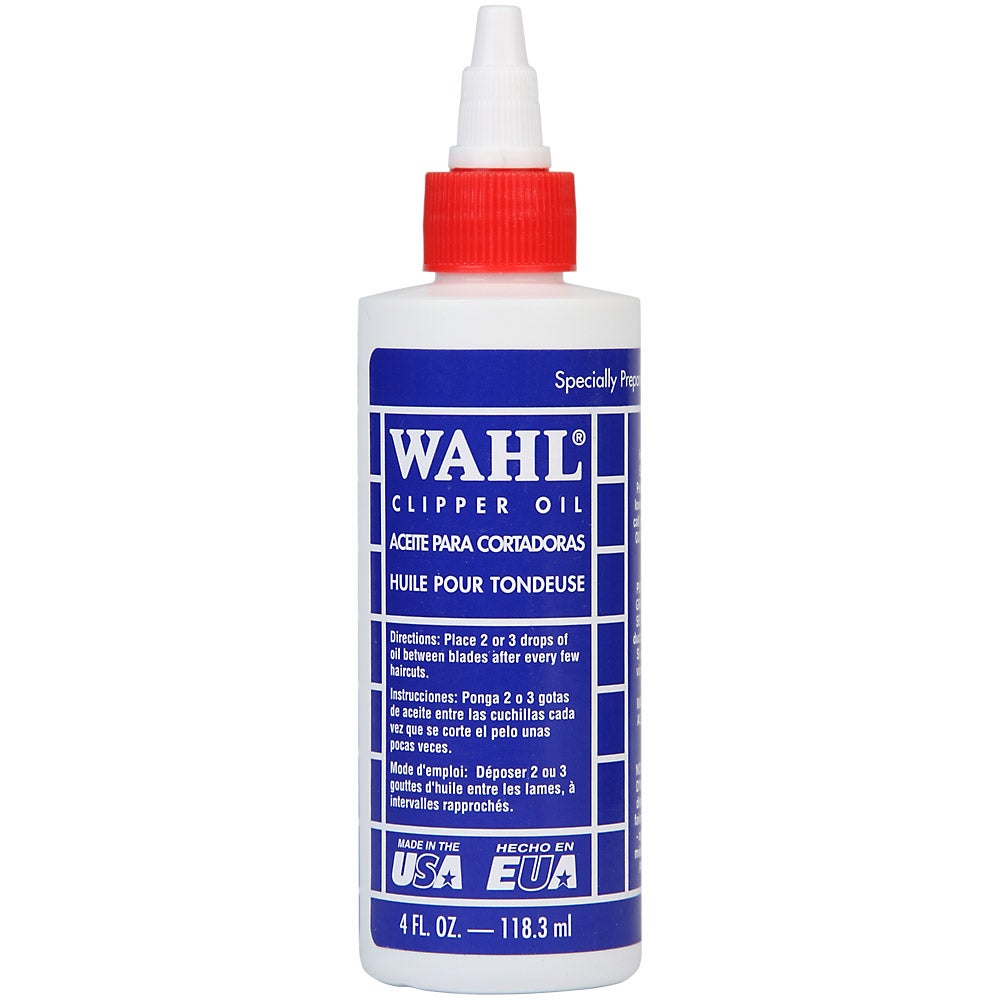
Wahl clipper oil. For $2, an excellent clearance find. It’ll last forever and my old bottle was gone.

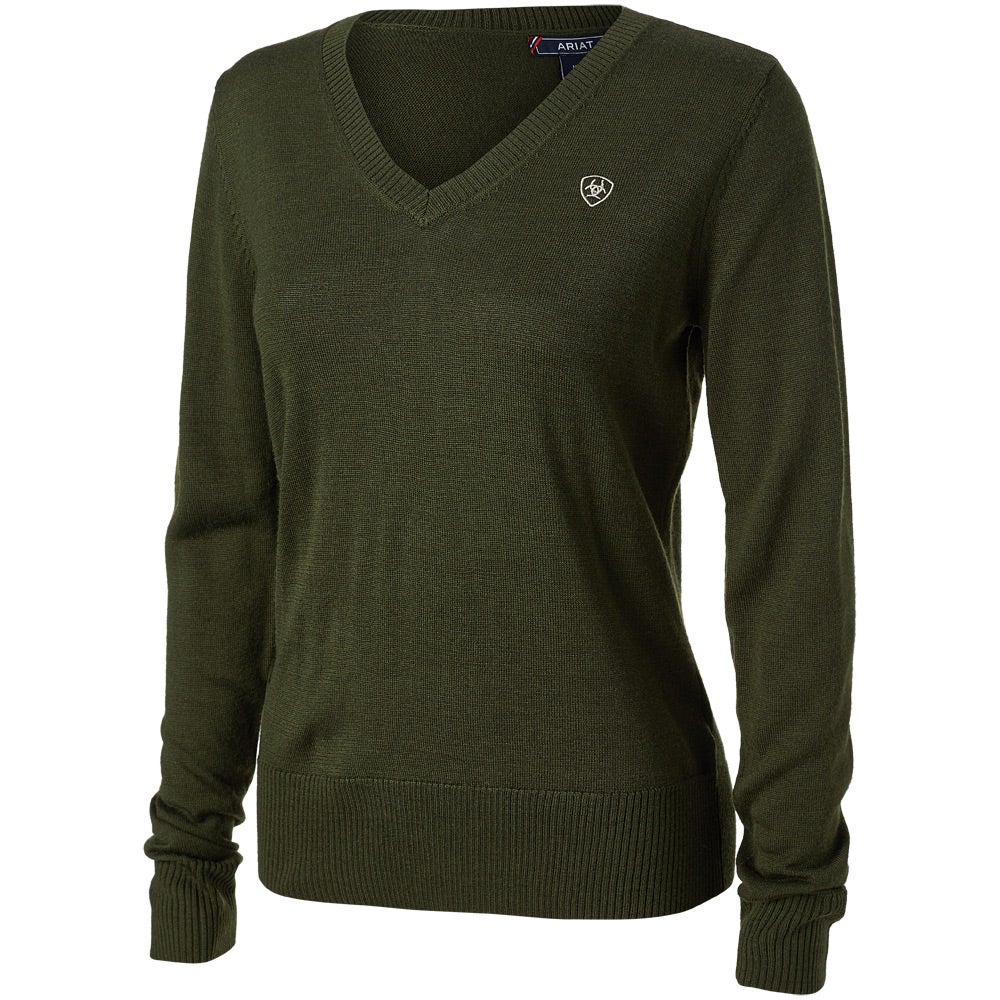
Ariat Women’s Ramiro Sweater. My new winter wardrobe philosophy revolves almost entirely around merino. Also, around things I can wear back and forth between work and the barn. At $27, this was an easy call.

Uncategorized

One Month Spring Cleaning List

I emerged from my April of hell to have a lovely birthday weekend…and then run smack into a nasty virus that flattened me for most of a week. I still had to go to work, of course, because working for nonprofits is an exercise in human misery sometimes, but the barn was not happening.

Thankfully, I started feeling significantly better on Saturday and then the urge to CLEAN ALL THE THINGS kicked in. I had made a very, very tentative start on this before I got sick, but now I am in full blown spring cleaning mode.

So I made a list. Here’s a month long spring cleaning challenge for horse people.

Week 1: Tack Trunk

  1. Completely empty and scrub out your tack box. Throw out incidental pieces of trash that have collected in corners, wipe down every surface inside.
  2. Pair up all boots, roll up all polo wraps. Scrub out any that need it, inspect for loose stitches, set aside any that you don’t use regularly.
  3. Lay out and clean all grooming tools. Inspect for signs of wear, replace anything that needs it.
  4. Organize incidentals in tack trunk: pens, paper, fiddly things.
  5. Review your first aid kit and replace any and all necessary supplies. Check expiration dates on meds, check batteries in thermometers and flashlights.
  6. Lay out all your saddle pads. Clean them thoroughly, inspect for loose stitching, decide whether you really want/need all of them.
  7. Wild card! What else do you need to do? Fill it in here.

Week 2: Laundry

  1. Go over all your blankets, coolers, and sheets for loose stitches, missing pieces, unnoticed holes. Make arrangements to get them fixed, fix them yourself, or just make a note to keep an eye on them.
  2. Lay out all your gloves. All of them. Match them up. Clean them, repair them, or toss them.
  3. Try on your breeches. All of them. Sort them into keep & get rid of piles. Really focus on whether you wear them and love them, or they’re taking up space.
  4. Thoroughly clean and condition your saddle(s).
  5. Thoroughly clean and condition your bridle(s).
  6. Thoroughly clean and condition your other strap goods.
  7. Wild card! What else needs to be cleaned and gone through, for your horse or yourself?

Week 3: Paperwork

  1. Review your emergency contact information at the barn, for you and for your horse. Update as necessary.
  2. Update all your horse’s medical records. Take a new TPR baseline, write it down, and put it in a prominent place.
  3. Do you have any magazines or catalogs lying around and taking up space? Out they go.
  4. Organize all your show/registration/membership paperwork. Make sure you have some kind of good ID sheet in case of emergency or theft – take some photographs from all sorts of angles of your horse, put them together with a careful description.
  5. Make a list. Any list. show prep, future projects, goals, items to replace, future purchases – something. Organize your horse-related thoughts.
  6. Borrow a label-maker and go to town. Buy a new sharpie and go over your horse’s name on all relevant things. Make sure it’s clearly visible.
  7. Wild card! What else needs to be organized, paperwork-wise?

Week 4: The Great Beyond

  1. Write a nice note to someone who has helped you out recently – your trainer, the barn staff, a fellow boarder, your vet.
  2. Volunteer to do something around the barn that’s on the longterm to do list. Walk the fenceline, attack the cobwebs, scrub out the grain bins.
  3. Make plans to volunteer at a show or event.
  4. Find an equine-related charity and make a donation.
  5. Do you have a will specifying what will happen to your horse in the event of your untimely death? Do you have a few people who will explicitly be part of that planning and decision-making? Create that if you don’t. Update it if you do.
  6. Do one thing you’ve been putting off for a really long time. Whatever it is, just do it.
  7. Wild card! Anything else on your plate?

So, what’s on your list? Anything I forgot that you always do? Anything I added that you never thought to do?

finance friday · Uncategorized

Finance Friday: Recovering from Mistakes

Welcome to Finance Friday 2018! All year long, we’ll talk about personal finances on the first Friday of the month, with the goal to getting us all in better overall financial shape. We know horses are expensive, and we need to be ready as we can for those expenses – both planned and unplanned.

BelJoeorFinanceFridays

Each month, I’ll cover a topic or invite a guest poster to cover a topic. We’ll do an overview that takes into account varying approaches, offer up some additional reading (both from other horse blogs and from the personal finance world), and pose a question for everyone. We’ll also use these monthly posts as check ins for everyone on how they’re doing with the goals and obstacles that they laid out in January.

Previously, we talked about budgeting, resisting temptation, and emergency funds.

This month, we’re going to talk about some strategies for recovering from a financial misstep.

It happens to everyone, sooner or later. An unexpected vet bill. A raise in board price. The truck breaks down. You get a little too excited during a tack sale. You forget your carefully-packed cooler during a horse show and eat fried dough for two days straight.

(okay, yes, all of those are me. #sorrynotsorry)

Horse Falling GIF - Find & Share on GIPHY

What comes next?

First, be clear about the extent of the problem. If you just overindulged at a tack sale, but you’re still within your overall spending limits, then you’re fine. Sure, let yourself feel a bit of a sting from it, but don’t beat yourself up. If it’s an unexpected vet bill but it comes out of your emergency fund, then you’re also still in good shape. Yeah. It sucks, but don’t let yourself mope around about it.

If it’s a bigger problem, then yeah, swear and stomp around a lot. Whatever works for you. Let it all out! But then sit down and be very, very honest with yourself. How much money is gone? Is that all that you’re expecting, or will it come in stages? Get it all laid out and be clear.

Animal Fail GIF by Cheezburger - Find & Share on GIPHY

Then, can you reverse or fix any of it? If you went on a spending spree at a tack store, can you return any of it? Yeah, it’s embarrassing and frustrating sometimes to do that, but if it will get you out of the hole you just dug for yourself, then it can also be the smart move. If it’s a bill for fixing something, does it have to be fixed right away? Is there any part of it that’s optional?

If you’ve got the limits of it mapped out and you know that some of it just can’t be avoided, then it’s time for damage control. Here are some things to think about as you move forward.

Animal Fail GIF - Find & Share on GIPHY

Don’t let it blow up the rest of your budget. It’s an understandable feeling: I had to spend money on X, and now none of it matters, because I’m so far out of shape now that I might as well spend some extra money to make myself feel better, or just, to hell with it. Nothing matters anymore. I’ve been there. I’ve felt those feels. It’s hard to wrestle your self-control back from the brink when you’re also emotional and maybe angry with yourself (or the universe at large). But now is exactly when you need to be clear-headed and make good decisions. If you can intercede with your emotional self in this moment, then you are in great shape.

https://giphy.com/gifs/fail-horse-jump-rgvpkQdAJO73G

Think about sunk costs – but don’t let them run the table. “Sunk costs” are money you’ve already spent on something. It’s money that’s gone – it’s “sunk” into whatever you’ve spent it on. It can be really tempting to say “I’ve spent so much money on this already, I can’t give up now!” This is particularly dangerous fallacy in vehicles and vet bills. More than once I’ve had the vet out and said or thought “hey, while you’re here…” Or, “I just spent a lot of money on this truck, it has to be worth it, so I’ll do this repair.” Resist that urge! The money you’ve already spent is gone. It should not be a factor in your current decision-making. Don’t throw more money at an already expensive problem if you have no reasonable expectation of improvement.

That may mean saying “let’s give it another month before another ultrasound.” Or, “it’s time to move on from this vehicle.” Or it can sometimes mean letting go of something – a saddle that just doesn’t fit, a barn that’s no longer a good home for you. Letting go is really hard, but if the alternative is being sucked into a financial quagmire, then it can be the right call.

https://giphy.com/gifs/sitewwwreactiongifsus-t7jyTk6fPxFBvgdhwg

Think about where the mistake came from in the first place. Some financial shocks are truly unexpected. Some are more predictable. Both can be eased with some advance planning. For things that are genuinely unexpected, you need an emergency fund. Don’t be afraid to use it – that’s what it’s there for.

For expenses that are a bit more regular but still sting out of the ordinary budget, you may need to adjust your savings rate, or at least your savings destinations. I fall into this trap from time to time with car repairs – even somewhat routine maintenance can trip me up because my budget is generally so close to the bone.

If it’s a screw-up, like you hit “checkout” on a huge cart of horse stuff that you don’t really need, think about why you did it. Are you frustrated with something else in your life? Will this really make you feel better beyond the unboxing? Are they things right on the line between need/want – and should you give yourself permission to buy them at appropriately spaced out, planned-for times in the future to alleviate that itch? Did you have a little too much to drink? Be honest with yourself and try to spot these moments ahead of time, next time.

Horse GIF - Find & Share on GIPHY

Okay, that’s it for this week. Do you have any tips for fixing or recovering from a financial mishap?

How about your goals and challenges? Are you further along on your goals, or have you made progress in your challenges?

lesson notes · Uncategorized

Lesson Notes

I’ve adjusted my budget (squeezed some parts, shifted some things) to do two lessons a month for at least this summer. Ideally, from now on – but we’ll see. Probably the next line I should increase is my retirement savings, but ugh.

My first in this new plan, and the first in May, was on Monday. It had some really good things and some things to work on.

So here are some things I was happy with:

  • My prep for the lesson; okay, that seems really petty and small to list, but after a month in which I struggled constantly to find time for things, I left with plenty of time, groomed him to the nines, put on all his Back on Track stuff, and got a great warmup walk in before the lesson even started.
  • I actually did better on not staring at his neck! I mean, I did a lot of it. But I definitely did better. I think part of what helped me was working hard on the idea the he has to be responsible for his half of the ride, and I shouldn’t micromanage or nitpick.
  • I said thoughtful things and asked good questions about the things that were in my head! I don’t know how lessons work for some of you, but I tend to internalize and the only words that come out are clever quips, not actually useful conversations. But this time I was able to verbalizes the things in my head, like “I understand that we’re praising for a jump off a driving aid, even if that means an upward transition, but I’m a little worried about reprogramming his transition aids?” and then talk through that.

Here are some things I need to work on:

  • I took my spurs off. I’ve been wearing big swan neck spurs for a while now, because Tristan is one of the laziest horses in the barn, any barns, all the barns. But I got over-reliant on them, and got called out for desensitizing him to them. Spurs can’t be the default, and shame on me for that.
  • I need to be more sensitive to the moment just before he backs off being forward, and catch him in that moment. To do that, I need to stay on top of two things: first, stay quiet when I’m not asking for more forward, so that there is empty space that he’s required to fill and I can have a clearer sense of his gait instead of just asking all the time, and second, I need to keep my standards high, so a nice forward trot isn’t just “gee, he’s trying really hard, and he’s more forward than he usually is” but is actually forward.
  • He needs to be waaaaaaaaaaaaay more sensitive to driving aids writ large. That’s something I’ve always known, but now we’re officially in boot camp. And with another lesson lined up for two weeks from now, I have homework and a defined due date, huzzah!
  • Less falling for his fake-outs. He’s so good at it. I can’t bend, how about I put myself on the vertical? I can’t possibly use my inside hind, what if I overbend at the neck instead? If I fling my head all around, that’s the same thing as going more forward and sitting more in the hind end, right? Endless, endless fake-outs.

And the less-than-great:

  • I’m feeling a bit crappy that the horse I’ve been riding and training for 13 years now is still in this place. I can justify things all I want – he was a literal wild horse who couldn’t be touched when I started, grad school + extremely demanding job have taken up 8 years of that, he’s a really difficult ride – but yeah. Still.
Uncategorized

Starting Over (Again)

Well, my work spring from hell is over. It ended well, work-wise. Not so much, personally. Until Sunday, I basically did nothing but work and sleep. Everything else went by the wayside, including horse time. I went out once or twice to pet him on the nose. Once late at night to groom him, so exhausted it felt like I was doing so through molasses, but it felt so good in the briefly-spring warm weather to do something as simple as work on him with a shedding comb.

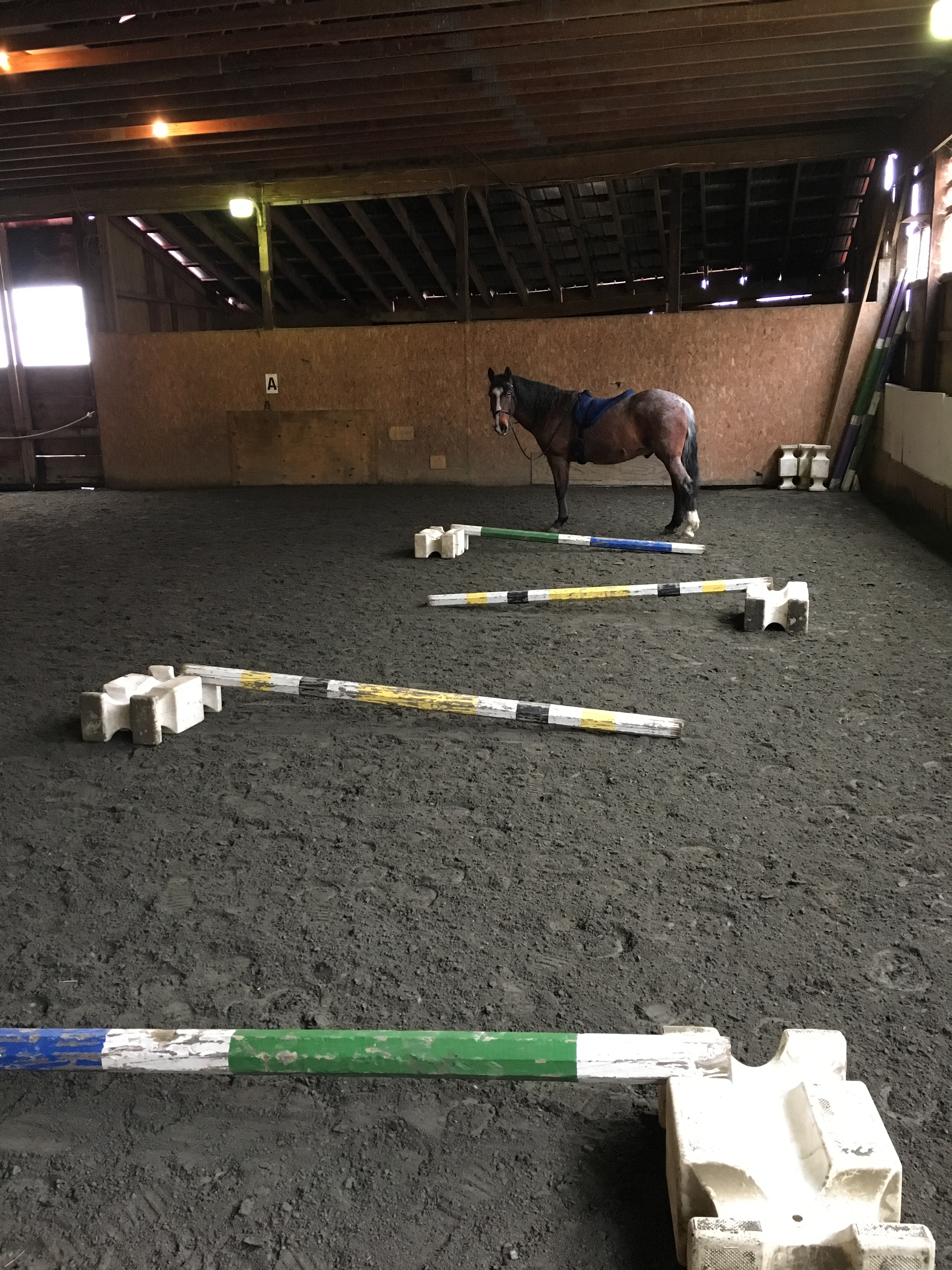
So on Sunday, part of resetting my brain was spending as long as I wanted at the barn. That meant a good long thirty minute grooming session, piles and piles of hair on the floor of the barn aisle. It meant a bareback pad and a line of poles, for about 40 minutes of walking and a very little bit of trotting. Asking for softness. He was so happy that he offered a trot and then a flying leap over the first pole. I effed up the rest of the line, I was laughing so hard I was crying.

IMG_3067.JPG

Then Monday, another long grooming session and proper tack for a 40 minute dressage school. Nothing fancy, just seeing what I had. Not much bending or lateral work, but he was willing to have a conversation about softness, and I got a taste of the good canter I had before this all started. The one that’s not perfect – he’s a bit heavy and tipped on his forehand – but he’s trying so hard that he forgets he can do anything but canter, charging forward into the bridle, the one that floats down seamlessly to the biiiiiig trot when I just shift my weight.

I’m caught between two conflicting feelings right now.

On the one hand, I’m starting over. Again. Tristan hasn’t been touched in six weeks. Any semblance of fitness I fought for over the winter – and I grant you, it was not much, it was a hellish winter – is gone. Melted away. He has a hay belly and looks homeless. The training is not gone – at 23, he’s long past “forgetting” how thing should go. But I can’t exactly pick up the reins and dig back in. I have to do short dressage schools and loads of conditioning.

I feel like I’ve been in this cycle for years now. I get a good head of steam, I’m enthusiastic, happy with how he’s going, he starts to feel sharp and keen, and something happens. He’s injured. Work blows up. I’m out of town. I can’t afford training board, so he sits. (Happily so! He really thinks he should be retired.) Then I get back to it, and start all over again. That’s a really frustrating place to be, over and over. I feel like I make progress in the most agonizing, incremental baby steps that it’s absurd. It feels like there’s no point.

IMG_2986.JPG

On the other hand, I’m excited and re-energized. While I was working my endless hours, I had a lot of time in my head to think about what I wanted my life to look like once I was able to claim it again. I missed Tristan, desperately, and I missed riding. I also thought a lot about how much I missed being in a program, and how scheduling regular lessons again would help keep me feeling like I was making progress.

So it was almost meditative to get back to things on Sunday. I didn’t feel the need to decompress at all – I had an extremely long and busy day on Saturday – just eager to get back at it. I have a lesson scheduled for next week, and I have a plan going forward for lessons every two weeks.

Back at the beginning again, but I’m good at it by now. I’ve got this.

2018 goals · Uncategorized

2018 Goals Update: March

Life is kind of insane right now. I assume my horse is still alive. Pretty sure the barn would’ve told me if he weren’t. Other than that…working 24/7.

I have just about enough brain cells to do a goals update, so here we go.

Original Goals Post
January Goals Post
February Goals Post

Horse Goals

1. Take 6 lessons through the year. – 1/6 done still. Not happening this month; May for sure.
2. Ride 3 new-to-me horses. – no progress on this, definite plans for the summer
3. Research 3 different retirement situations. – I’m at 1/3, but I did have a good conversation with both the barn manager and a friend that moved some things forward.
4. Write retirement budget for Tristan. – Haven’t touched this.
5. Reach goals for horse-specific income stream. (Primarily through Etsy shop.) – slow, but doing okay
Stretch: 6. Read and review 12 books about riding on the blog. – 1/12 done; nothing new.

Financial Goals

1. Fully fund Tristan’s savings account (to $1,500) – This is still holding!
2. 50% fund my overall emergency fund savings account (to $7,500) – up to $5,250, huzzah
3. Track every purchase made in 2018. – Back on the wagon for March, thankfully.
4. Create 30 day wait list for any purchase over $25 (excluding groceries & emergencies). – yup, still holding well!
5. Pay off 50% of energy improvement debt. – we’ve paid off 22% of the total
6. Stretch: 75% fund my overall emergency fund savings account (to $11,250)

House Goals

1. Finish dining room (finish wallpaper, skimcoat lower half, plaster upper half, paint). – PROGRESS, HUZZAH
2. Finish garage in basement (finish strappingput up drywall, plaster drywall, paint floor, clean out).
3. Finish upstairs guest bedroom (strip wallpaper, plaster, deal with ceiling, repaint).
4. Develop plan & budget for preserving mud room mural.
5. Build second raised bed, start seedlings indoors, can/process results of garden. – First seeds went in this weekend!
6. Stretch: Finish breakfast nook room (strip wallpaper, plaster, figure out heating, repaint)

finance friday · Uncategorized

Finance Friday: Emergency Funds

Welcome to Finance Friday 2018! All year long, we’ll talk about personal finances on the first Friday of the month, with the goal to getting us all in better overall financial shape. We know horses are expensive, and we need to be ready as we can for those expenses – both planned and unplanned.

BelJoeorFinanceFridays

Starting in January, we all set financial goals. In February, we talked about setting budgets, and then in March, we talked about staying within those budgets.

This month, I’m thrilled to share a guest post by Carla of The Frugal Foxhunter about emergency funds.

Why I Don’t Own a Horse Yet

For my entire life, my dream has been to own a horse. I have enough to buy a horse in my savings. Horse upkeep fits in my monthly budget, so long as I don’t choose one of the fancier DQ barns to board. So why not just DO IT?!
It’s infinitely tempting but I will not buy a horse until I have enough money saved to buy him outright–and an emergency fund for him on top of that. In fact, all of my pets have an emergency fund since my stupid cat Beckett taught me the hard way how useful it is to have one.
Why You Need an Animal Emergency Fund
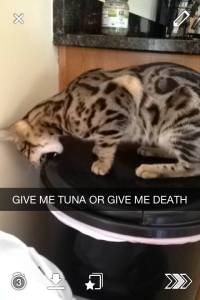
I was fresh out of college, in an entry-level editorial job, and my boyfriend and I had inherited this spastic little Bengal kitten from a family member.
738330_10151197131625222_878510534_o
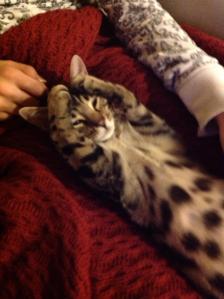
Little Beckett was running short on lives. Just two weeks before he came to us, he had fallen out of a 9-story condo balcony–just walked right out between the slats. A leafy tree broke his fall, and the vet said he had no physical damage. (After living with him for 5 years I can now say he CERTAINLY has mental damage.)
For the first few weeks with Beckett, we enjoyed our weird little critter to play with and take endless photos of. Then he stopped eating. For days, he couldn’t keep down any food, but was still the frenetic little kitty we were used to. Then he took a turn for the worse–not drinking all day, acting listless and weak. We worried he had eaten a piece of string from a woven blanket, and may have had an impaction. We rushed him to the emergency vet. We had no idea what it would cost. Tearfully, we agreed that if it cost more than we had in savings (not much), we would have to put down our new kitten.
After inconclusive X-rays we decided just to treat his likely dehydration from a week of not eating. Cha-ching! $600 bill and our savings were crushed. Luckily, the fluids did the trick and Beckett perked right up to continue his reign of terror on our household. Even luckier, my aging Ford Focus decided to hang on for another two years–not needing major repairs until I had much more in my ‘piggy bank’.
1622004_10151949565350222_1929680414_n
It’s morbid, but in my opinion, all pet owners should have at least enough put away to euthanize their animal if there is a veterinary or financial emergency. Ideally, you can save more than that so unexpected veterinary bills are not a strain on your monthly budget, and do not disrupt your other financial goals. A pet emergency fund also gives you a frame of reference of whether a treatment is “worth it.” You know how much you have in your account. Let your reserves tell you what you can afford, not a vet who doesn’t pay your bills. (Can you tell I’ve had some bad experiences with overzealous vets?)
Horse veterinary bills can be a LOT bigger than cat and dog veterinary bills. We all know how accident prone horses are, so we know emergencies will happen, even if we have no idea when. Having a horse emergency fund will provide so much peace of mind knowing you can afford an unexpected emergency without debt.
How to save for an emergency fund (of any kind)
 
Whether it’s for you or your pet, saving for an emergency is not complicated. It’s not easy, but it is simple. Spend less than you earn, and save the excess.
Figure out your core monthly expenses (non-negotiables like mortgage payment, food, utilities, etc.) and discretionary expenses (optional expenses). Is there room to save at all on your discretionary expenses? Perhaps you have subscriptions you rarely use, or other items you can cut back on. Once you figure out how much you can save each month, your first priority should be adding to your own emergency fund.* I know you love your animals, but think of what they tell you on an airplane. Put on your own oxygen mask first. If you are broke and you’ve maxed out your credit cards because you have no savings, how do you think you’re going to pay board?
Whether you’re saving for yourself or your pets, pay yourself first. Everyone says this because it’s true. If you automatically transfer money to savings when you get paid, the money is out of sight, out of mind, and away from temptation. On the other hand, if you wait to see how much is left over to save at the end of the month, you’re likely to fall short of your goal. It’s just too easy to use the money if it’s there and available to spend.
12189459_10153171283805222_5153348863582479075_o
How do you figure out how much to save in a horse emergency fund? This is not a typical personal finance question covered in Kiplinger or CNBC! It is up to you, but I think 3-6 months of horse upkeep costs would be reasonable. If your income is very stable (ha ha pun not intended) and you have plenty of flex in your monthly budget, you could lean more towards 3 months, and if not, I would lean more toward a bigger fund because it allows you to have less stress in times of lower income. Horse insurance is also an option for really pricey potential surgeries.
As I said, I would love to have a horse and could probably squeak by if nothing were to go wrong. But after 5 years of leasing, I know things do go wrong, and I don’t have a horse emergency fund yet. Heck, right now I’m just working on saving to upgrade from a pancake-flat Crosby saddle! For now, a half-lease on a fabulous hunt horse works for me. It’s a fixed monthly cost, with no need to pay unpredictable veterinary bills or make the tough decisions and tradeoffs that come with having horses on a budget (particularly where I live in a pricey metropolitan area). I can still enjoy the sport I love with an animal whom I grow closer to every year. I’ve got a good thing going, so I’m taking my time to approach my eventual goal of horse ownership in a way that doesn’t threaten my financial security now.
*There are a number of other financial goals you may need to address before creating an emergency fund for your animals–but covering them is way beyond the scope of a horse blog.
Good seat
 
Carla LaFleur is an avid foxhunter who half-leases a disgruntled OTTB named Lefty. She blogs at The Frugal Foxhunter and sells framed bits on Etsy. She is not a financial advisor, and this article represents her personal opinion, so don’t get your breeches in a twist about it!
(If you have an idea that would fit with the Finance Friday theme, and you’d like to write a guest post, email me to talk about it!)
Well, let’s hear it. Do you have an emergency fund? Not yet? Is an emergency fund important to your financial goals, or has it helped you out in some way in the past?
And how about the overall financial goals you set for yourself at the beginning of the year? How are those going?