nutrition · supplements

The Supplement Dance

I’ve talked before about Tristan’s nutrition and diet, and the ways I’ve tweaked that.

For many years, I’ve been a faithful user of HorseTech supplements. I still love them. I still think they’re the best quality, best customer service, best availability/combination of ingredients you can get.

But.

(Of course there’s a but – otherwise there would not be a blog post.)

Tristan is very slowly – incrementally – almost imperceptibly – becoming a pickier eater. I don’t know if it’s age, Cushings, or what. The fact remains that my little rescue horse, who used to hoover up everything in his immediate vicinity – edible or not – is just a touch fussy now.
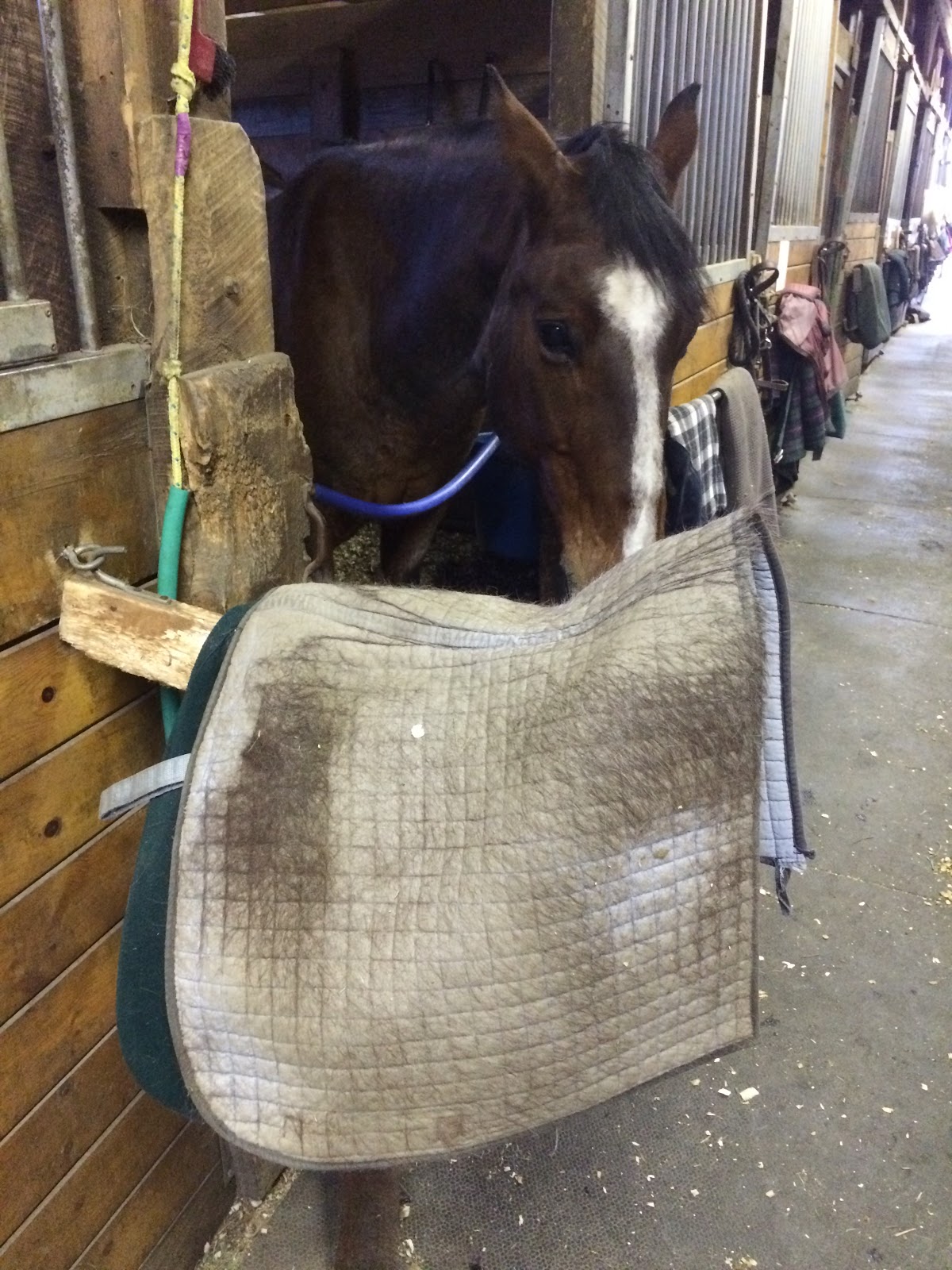
though he still gets mad when he has to work instead of eat dinner

For some time now, he doesn’t eat his morning grain until he gets back from turnout. When you toss him his breakfast he spurns it in favor of hay. Granted: he does not get much (about 1.5 cups at a time) and it’s a really bland grain (Blue Seal’s Carb Guard). Still, two or three years ago, Tristan turning away from grain would have been a sign of the apocalypse. Do not pass go, do not collect $200, call the vet immediately.

HorseTech supplements are typically a powder, and Tristan started actively leaving the powder behind. I added flavoring. That worked for a little while. I switched his supplements – High Point Grass/Mixed Hay and ReitHoof – to pellets from powder when that became available. That worked for a little while. Then it didn’t. The barn manager thought that he was sniffing through the pellets carefully, picking out the grain, and in the process smooshing the pellets back into powder with his nose, guaranteeing he would not eat them.

In the last few weeks, we have arrived at an impasse. I knew I wanted Tristan on an overall vitamin/mineral package, but I just wasn’t excited by anything the barn already offered or I could purchase locally at Tractor Supply.

Last week during yet another SmartPak 50% off sale, I made a choice. I started Tristan on SmartPak supplements. First, I added SmartVite Senior Perform as his basic vitamin/mineral supplement.

I also spent quite a bit of time thinking about muscle supplements. In the past, I’ve added some alfalfa for extra protein to support muscle growth, but I never saw a huge difference. I looked at a few different muscle supplements, and then I looked more closely at how they matched up with SmartPituitary Senior Pellets.

One of the key symptoms of Cushings is muscle wasting, and it’s one of Tristan’s biggest indicators, so any Cushings-oriented supplement would have plenty of muscle support. It fit my bill, was a bit less pricey than the other supplements I looked at, and I’ll be curious to see if it helps support him in any other way. He is a very, very low-symptom Cushings horse, responding well to the pergolide with few (if any) spikes in his bloodwork, even seasonally, so I felt like a little bit of support would help but not that I would be crushed if it didn’t help him.

We’re about a week in, and he’s eating both of them just fine. It’s obviously way too early to see any clear results, but we’ll see!

wordless wednesday

WW: New Car Decal

To be strictly accurate, I’ve owned this decal for a few years now, but only just re-discovered it while sorting paperwork and finally put it on my car on Monday.

I like it. I may not be an eventer anymore, not really (maybe not ever? I can’t justify the ways the sport is so willfully oblivious right now), but I still think a complete horse education consists of both dressage and jumping. So this is still a good shorthand.

product review

Follow up to review of KER ClockIt App

In interests of being semi-impartial, here’s another review of the KER ClockIt App I reviewed last Friday:

Fitness Trials and Tribulations: Galloping the Warmblood

…though, KER is sponsoring the review, soooooo.

I did note in the original review that perhaps it would work better with an attached heart rate monitor. The author of the EN review did use a heart monitor and seems happier with it.

So if I ever do purchase one, I’ll try again for sure. In the meantime, without the heart monitor, the app sucks.

house post

House Post: Kitchen Plastering

Consider this step 1 of the kitchen repainting project.
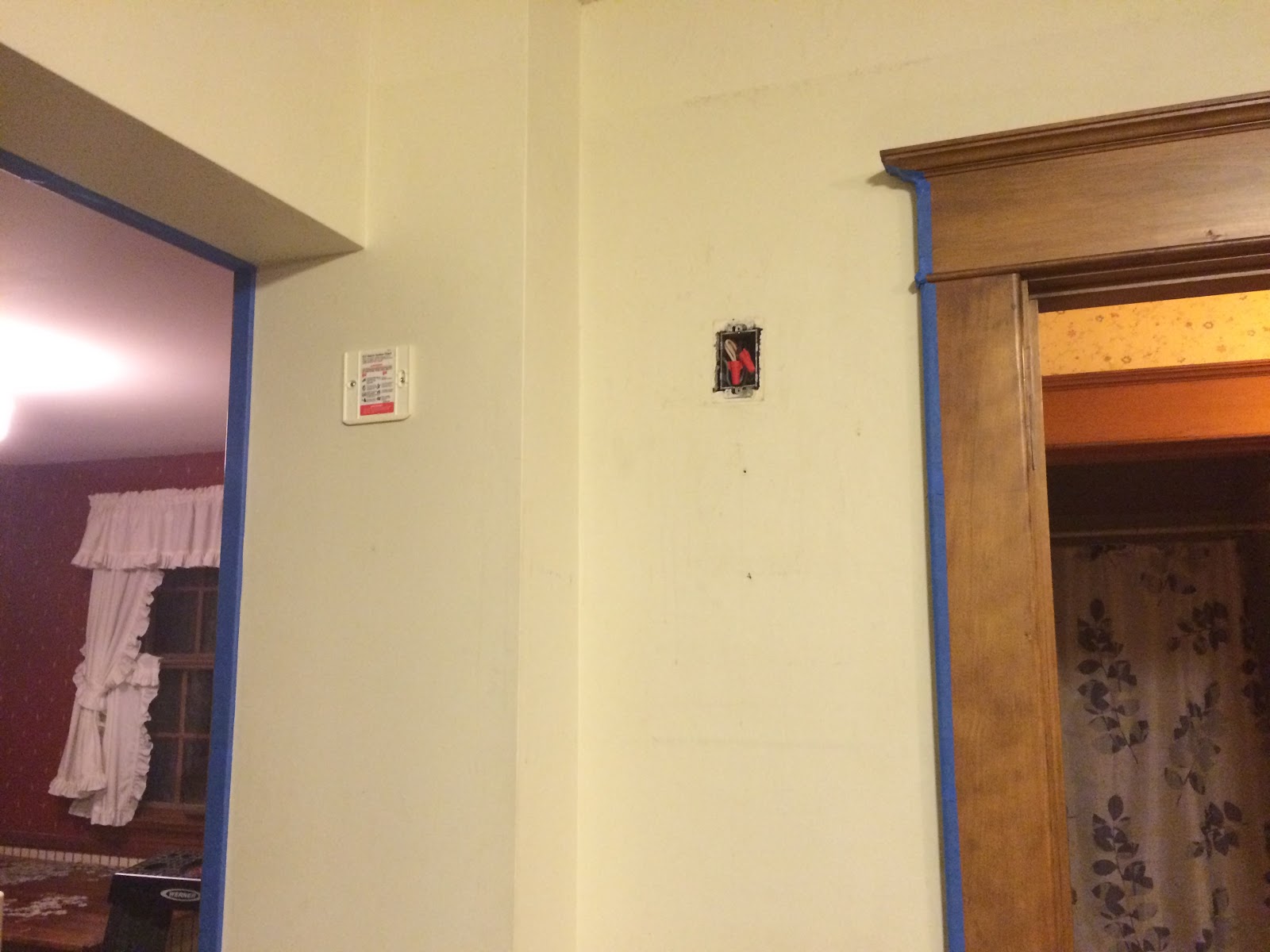
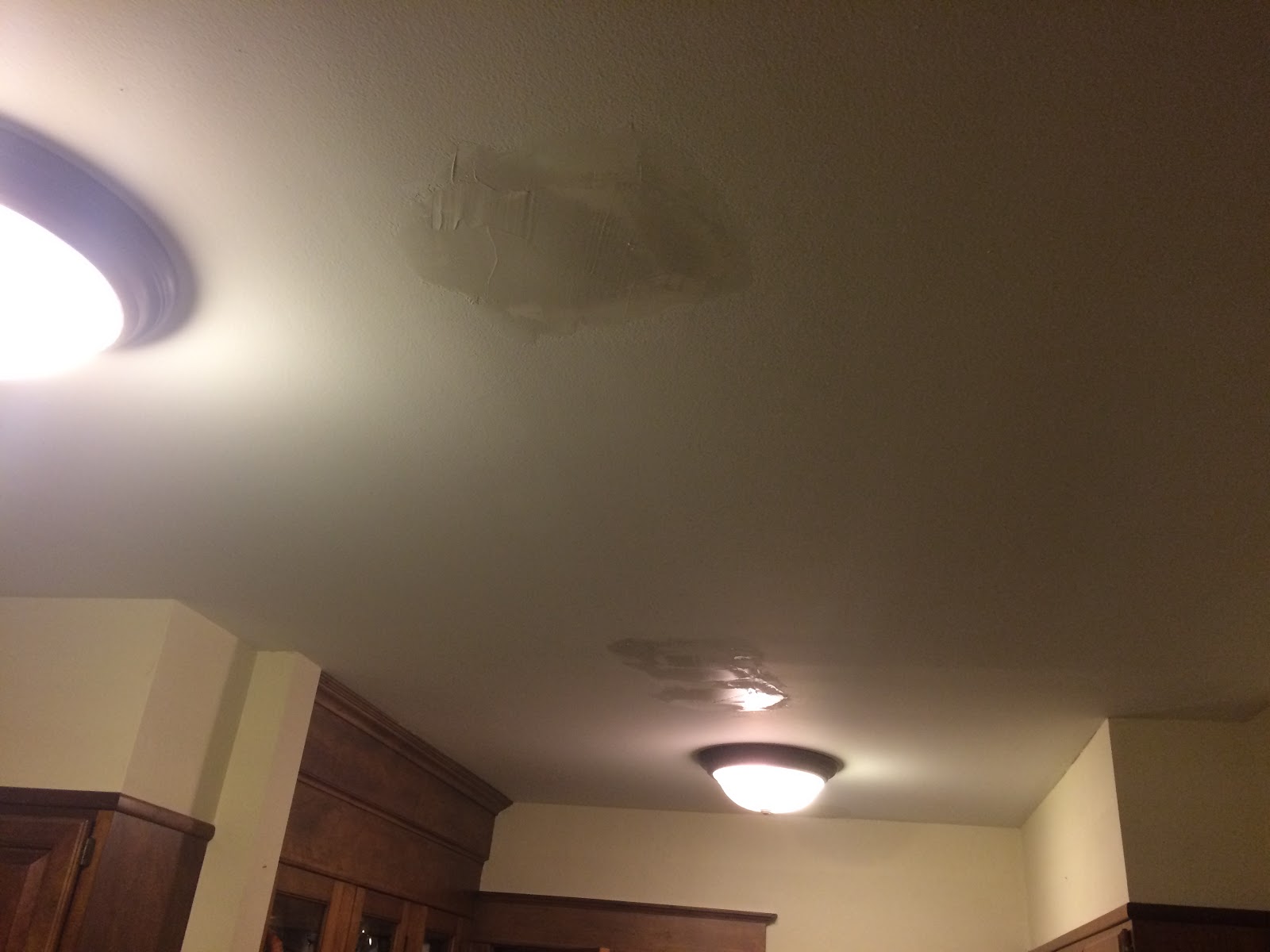
After we rewired the house, there were a lot of holes in the kitchen: four in the ceiling, and then some miscellaneous extra holes – around the light switches, for example, and from the old screw anchors for the old CO alarm.
(ok there were – and still are – a lot of holes everywhere, 22 remaining by my count, but the kitchen was a place to start, anyway)

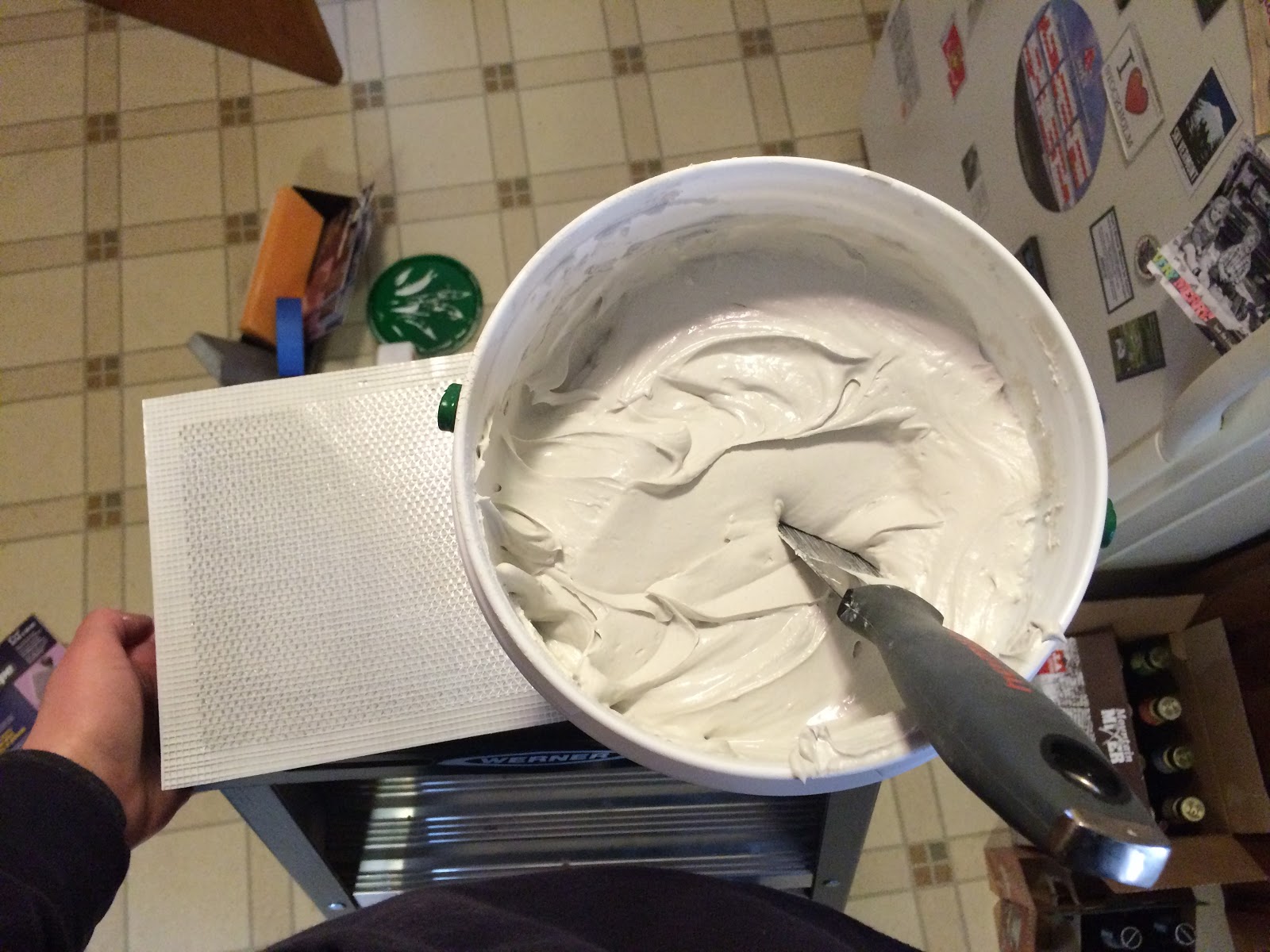
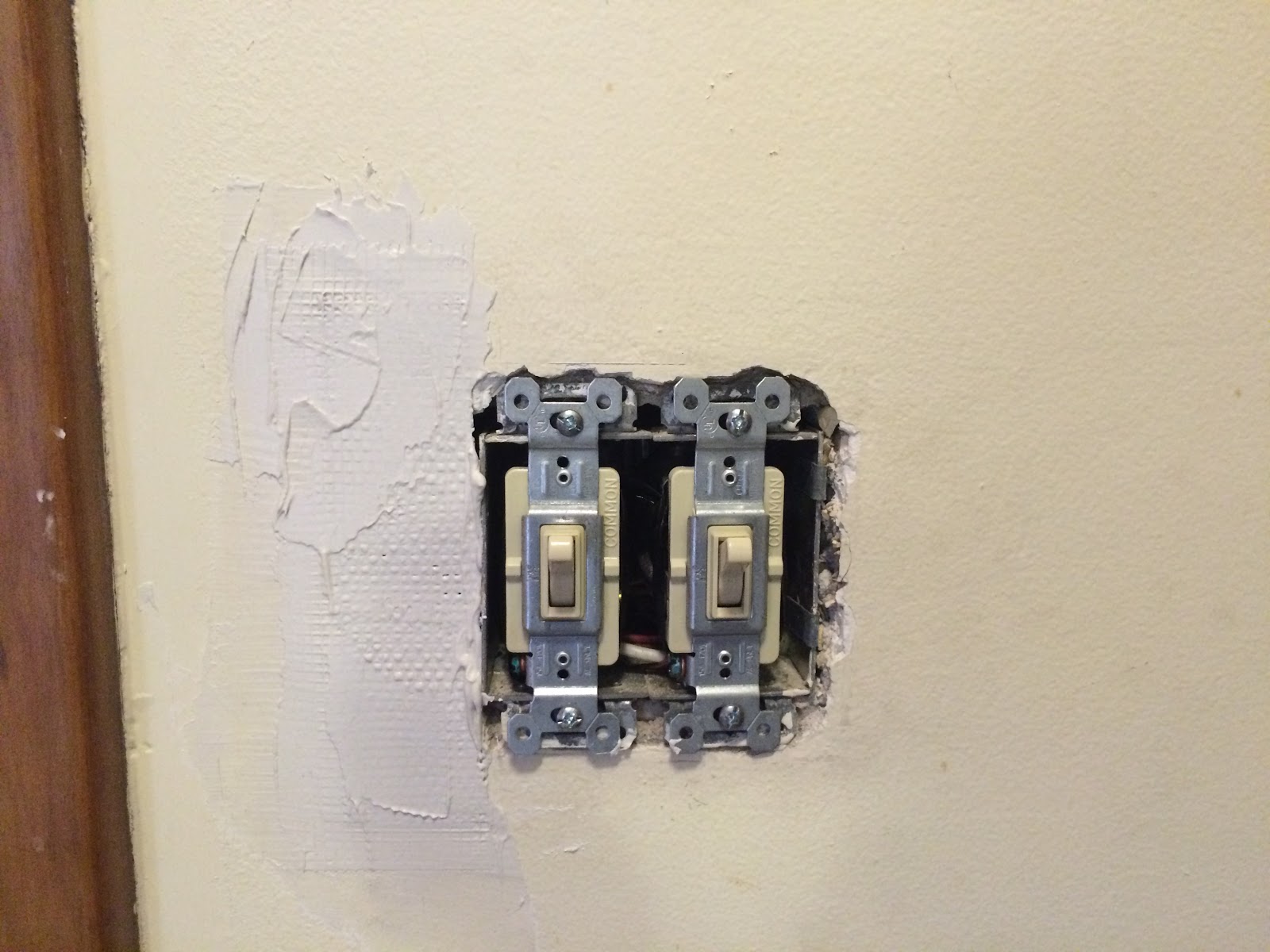
Step 1: use these mesh thingies over the big holes. The holes are about 4″ in diameter, and these squares are 6″x6″.

Step 2: Cover them pretty roughly with a thick, no-frills layer of plaster.

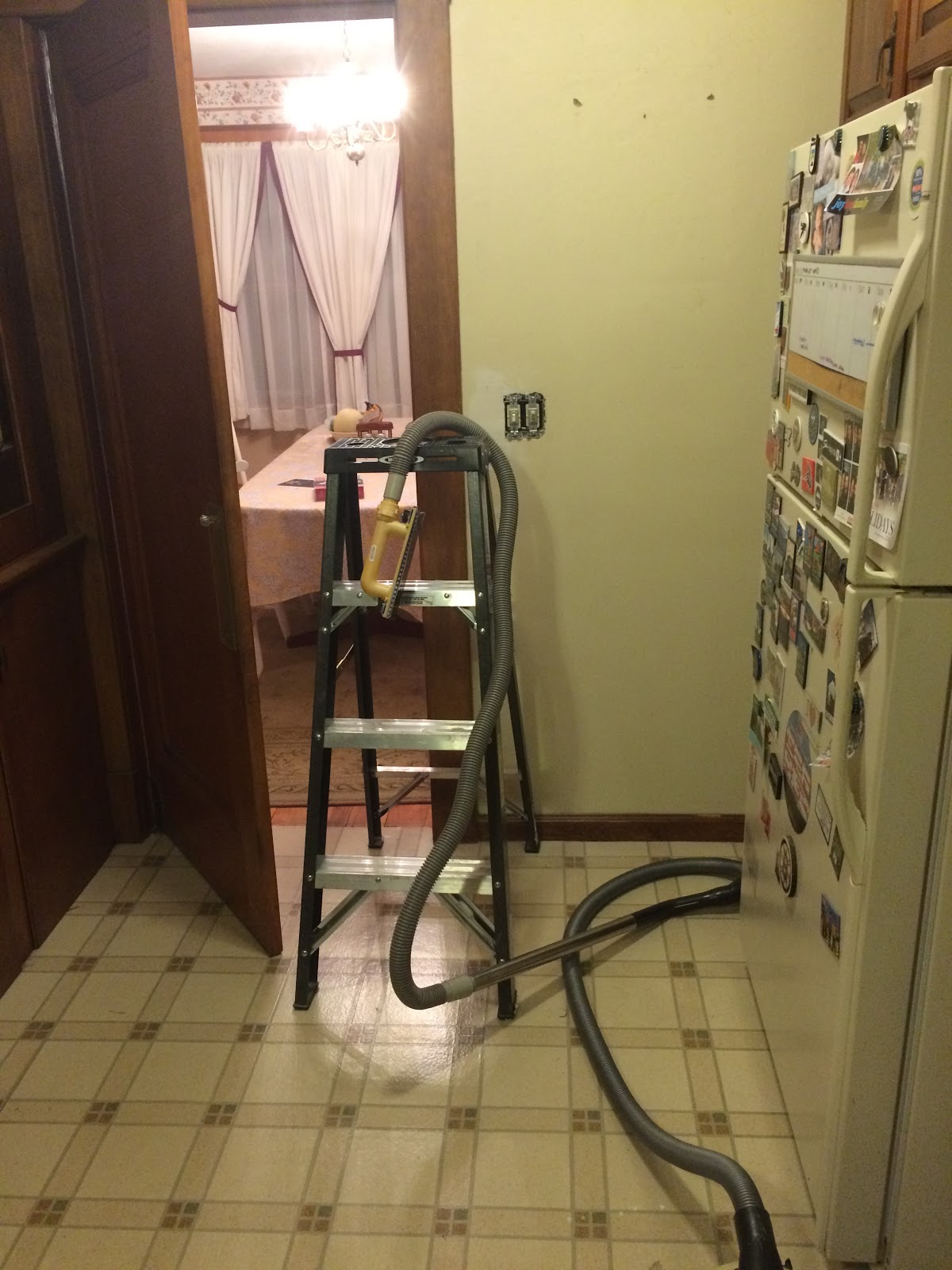
Step 3: After waiting 24 hours for it to dry, sand down the rough plaster. Use the nifty sanding thing that attaches to the vacuum because plaster dust gets EVERYWHERE.
Step 4: Another layer of plaster, with a slightly wider putty knife for smoother lines.

Step 5: Wait another 24 hours, then sand again.
Step 6: Yep, another layer of plaster, with an even wider putty knife, that I didn’t take a picture of, but it’s 12″ wide and the goal is big sweeping strokes for a minimum of edges or lines.
Step 7: Another 24 hours, another sanding! Hopefully this is the last one. Honestly, I could still do another layer on the ceiling but I ran out of fucks. It looks totally fine except on close inspection. My plan is to leave it alone until we get around to doing the rest of the kitchen renovations in mumblemumble years, and then do one last finishing layer before we repaint the ceiling.

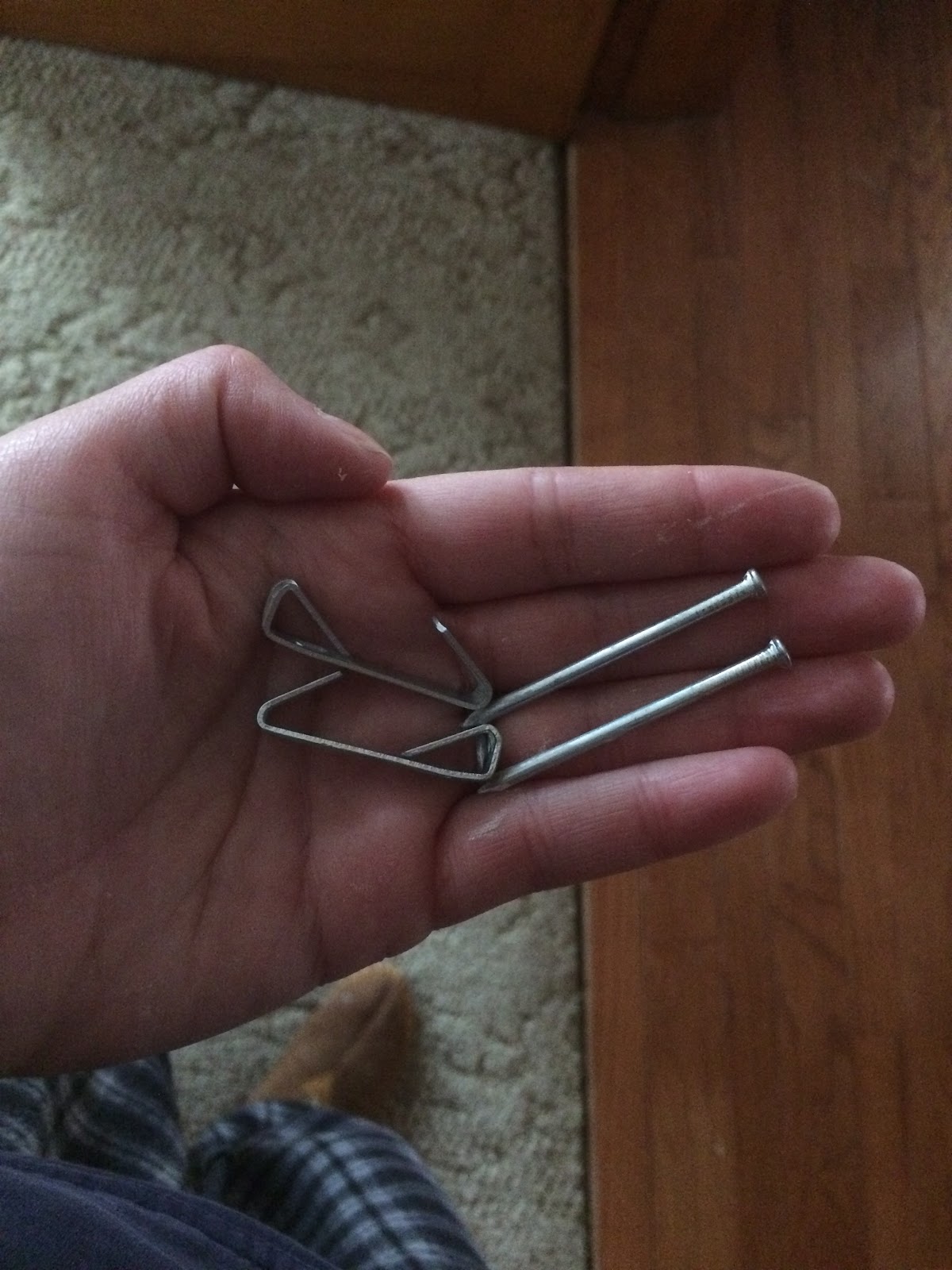
Unrelated: I pulled legitimately 6-8 of these picture hangers out of the walls in the kitchen, WHAT THE HELL WERE THEY HANGING, BOULDERS?

Next up: repainting the kitchen now that the wallpaper is gone and the walls are replastered.

Uncategorized

Preview: !

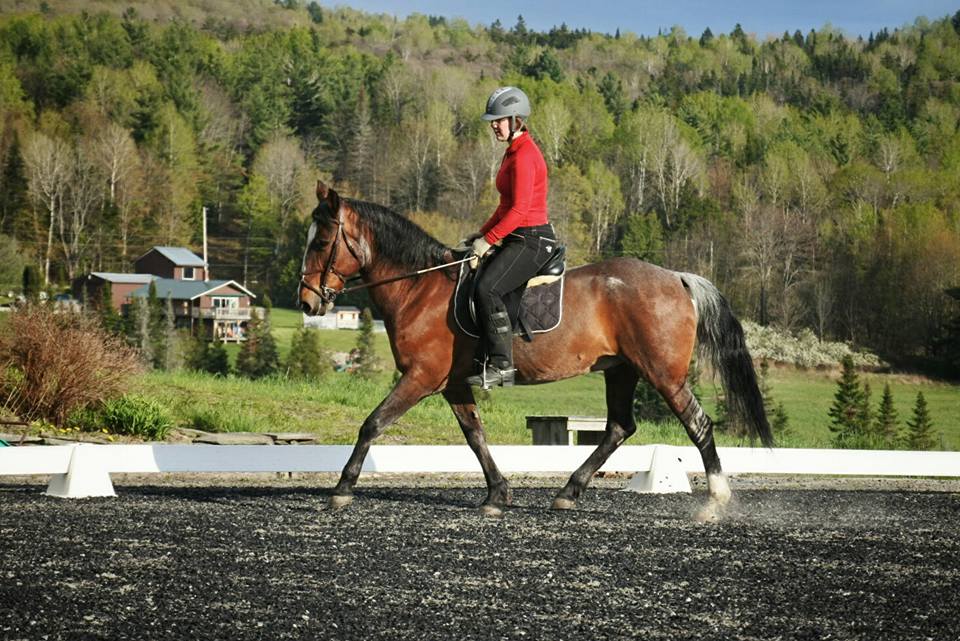
Emilie had the brilliant idea that since we were both lacking in visuals of ourselves riding, we should meet up and fix that. So we did!

Here’s a preview that session, of one of the photos she got. I put Tris in his kimberwicke for the first time in 7 years to try and solve some of our asshole horse problems.

Not only did it work, he even got over the insult enough to think about softening, which was not something I was expecting at all!

(also I don’t look totally awful WHEW. I haven’t even seen myself ride in a mirror in over a year.)

product review

Product Review: KER ClockIt App

Some weeks ago, Eventing Nation sent out an email announcing a contest to win a gift certificate to purchase items from Kentucky Equine Research – specifically, you could win enough to pay for a heart monitor kit.

I’ve wanted a heart monitor for some time, so I read the contest rules with more interest.

Sure, ok, I can do that! I’m always interested in trying out new horse fitness tracking thingies.

Spoiler alert: the app kind of sucks as it’s currently set up.

Main screen

Stable, for keeping your back end records.
I have no idea what the “connections” part means. But you see here how it’s a bit unwieldy for people with just one horse. It really wants you to list lots of horses.

The distinctions are kind of arbitrary. Lower-level? Yeah, I guess, but…what does that *mean*? If the purpose of this app is to help collect data, there should be some kind of definition of what each category encompasses, so I can be sure I’m making the right choice.
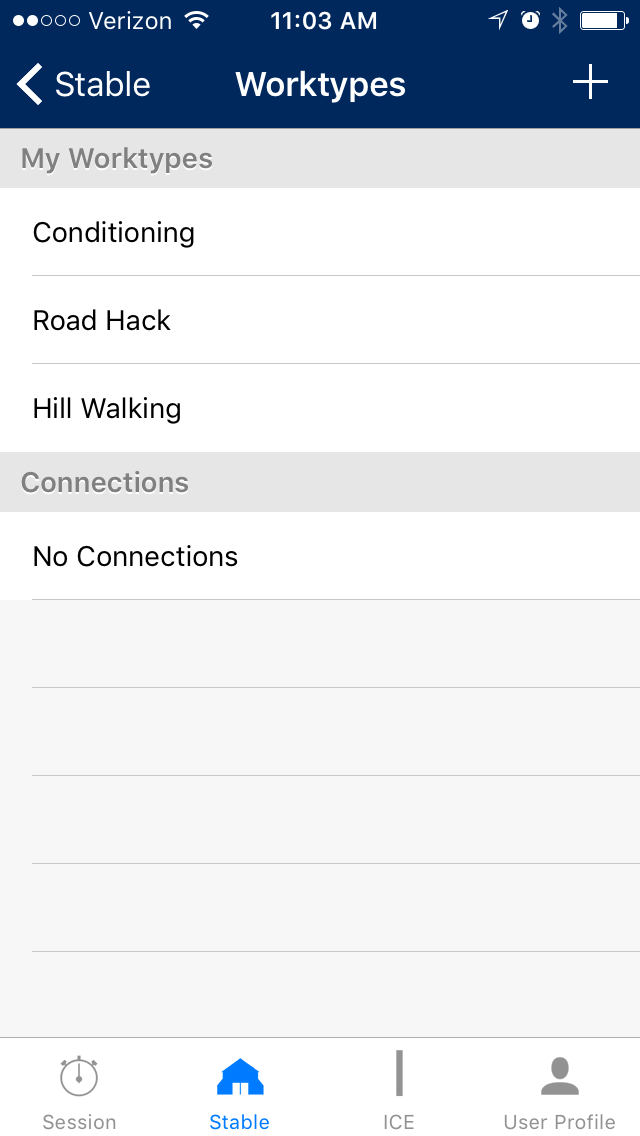
These were all “types” I created myself. Which means – again as above – they are basically meaningless in the broader scheme of things. They roughly encompass the types of work I do (well the types of work I had done 3 days into using this app, anyway) but…surely most people don’t stick to precisely one type of work at a time? Am I just that easily bored? I found that numerous times I set the type of work and then changed my mind after 5 minutes, because it was immediately apparent that wouldn’t work for him that day.

Still have no idea what this means, really. There’s no button to add. I gather that one of the functions of this app is to have your trainer assign you work, so…maybe that’s what this is for?
Please note: there is no way to add your own ICE (in case of emergency) information. You have to send or receive “ICE connection offers.” So in order for the ICE button to call, say, my husband, he’d have to be in their system. I tried to see if it would connect to my iPhone Contacts. When I typed “Matt” into the search box one of the names that came up was Elinor MacPhail. Not only does her name not contain the letters “matt” she’s also a 4* rider who has no idea I exist, WHY WOULD I CALL HER IN CASE OF EMERGENCY.
If I am misunderstanding the purpose of this function, there’s nowhere in the app that tells me that, or what its intended use actually is.

Let’s get to the actual ride clocking.

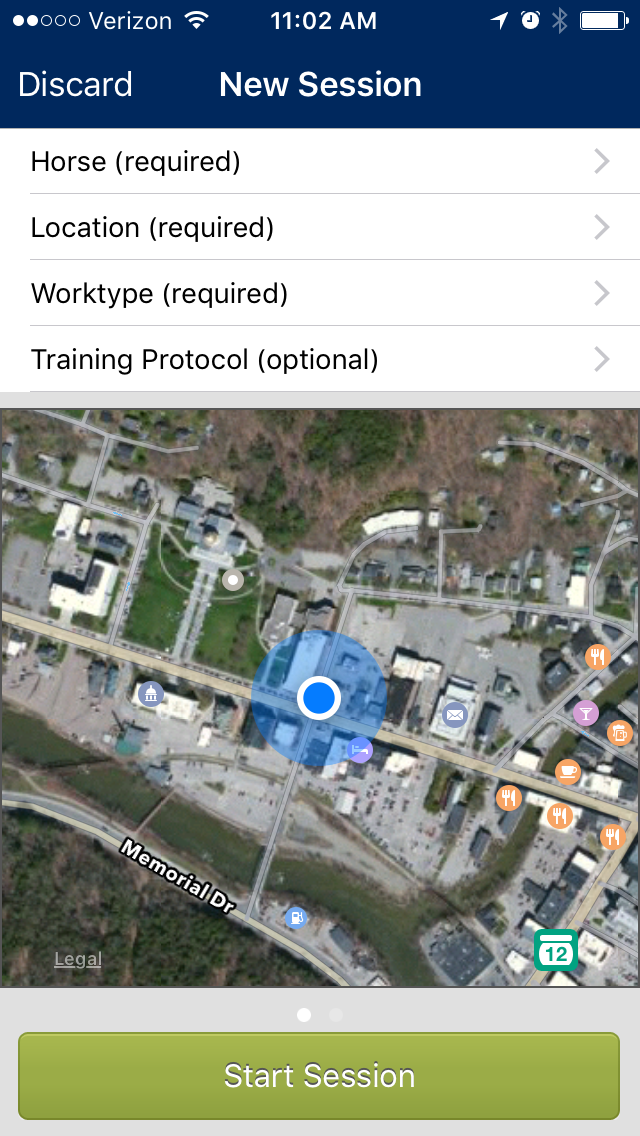
Every time you start a new session, you have to enter the Horse, Location (which…ok? why?), and Worktype. It never assumes I’m riding the only horse I have in the stable, which is not great UI.
(no, that’s not my barn, I took this screencap on lunch break at work. that is basically 75% of the downtown of the 5th largest city in the state of Vermont. just in case you needed more proof that this place is TINY.)

Here are two rides. No, I did not ride my horse at 10:30 pm. I don’t remember exactly what time it was, but there’s no way it was later than 7:00 pm. And I remember thinking at the time that not only was the hourly tally wrong and there was nowhere to indicate that I’m on EST, the minute time was wrong as well. So I have NO IDEA where it is pulling that data from.

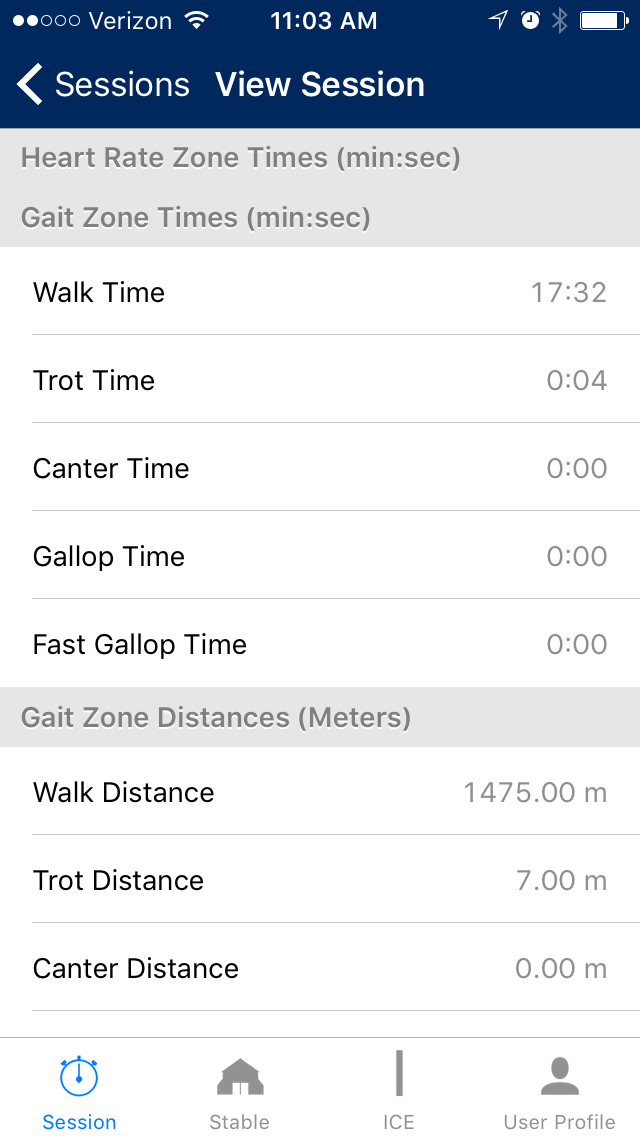
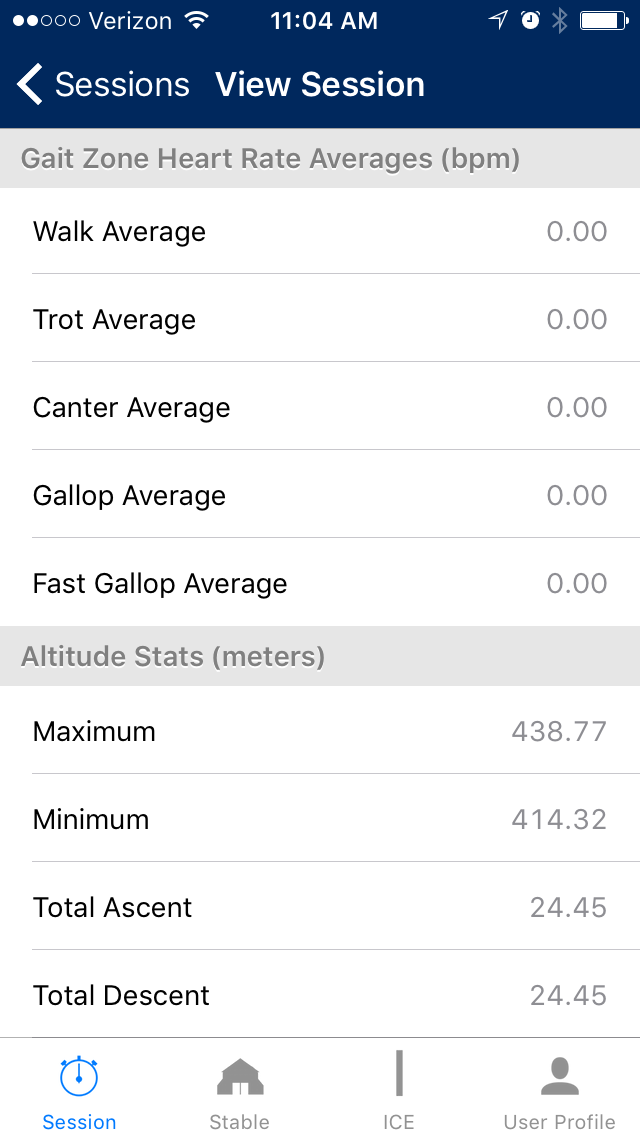
This is the section that has the most potential, and when I first saw these screens I got excited and was prepared to forgive the app all its other bizarre eccentricities. 
Then I thought about the ride I’d had, and looked more closely at the numbers.
This was a 30 minute dressage schooling session. According to this app, I only trotted for 4 seconds, and I never cantered. I tested it across several other rides – including a timed conditioning session – and the app was wildly inaccurate every single time. So it’s got really shitty coding in the way it accesses the iPhone’s internal motion sensors. 
Maybe it will be better with an actual heart rate monitor hooked up to it. If I ever purchase one, I’ll check back in and update this review.
In the meantime, I’ve recorded and uploaded about 5 rides, and that’s about as far as I’ll go with this particular app. It’s just not worth it – inaccurate reporting, unwieldy UI, and its most supposedly beneficial features – sharing with trainers – are just not a match for what I do.

stupid human tricks

discouraged.

Last night, I left work on time solely due to my bargain with the devil of bringing my laptop home and planning on about another few hours of work later that evening.

It was a beautiful day. I didn’t hit any traffic. (Such as it exists in Vermont.) I got to the barn right when I wanted to. Tristan was looking great. I got out my tack, and put together my old figure 8 bridle for an experiment.

I had a good riding plan: I put his old kimberwicke in the figure 8 to see if we could nip the bolting and jackassery in the bud, and settle down to actually schooling outside. If – as past experience indicated – he hit the curb chain once or twice and then settled down, then I had a conditioning ride planned with some long canters. I wanted to get some of the fuss out of him before trying an actual dressage ride in the big outdoor the next day.

I buckled the last strap of the figure 8 and stepped back to take a picture of his new bitting getup, because blogging.

Then I saw that I had missed three calls from my husband. I called him back.

He was stuck in non-moving traffic because of an accident on the main road of the city he worked in. Even if he got on the highway literally that moment, he was still 45 minutes away from home.

I had dropped the dog off at daycare that morning so she could get some exercise and socialization on a beautiful day.

He called at 5:30. Daycare closed at 6:00.

I hung up and stood there for such a long moment, just staring at Tristan’s face, at the bridle I had just finished putting on him. I had to focus on breathing deeply. I could feel tears stinging, but I fought them. It was one of those moments of perfect, exquisite misery, when there is only one thing you can do but every fiber of your being is screaming that you don’t want to.

I took the bridle off. I took the saddle off. I put my tack away. I put Tristan’s sheet back on. I fed him his grain. I closed the barn door. I picked my dog up from daycare, and I went home.

I opened up my laptop, and I worked until 9pm.

I am so tired.

physical fitness (human)

Riding and LASIK Surgery

I have been pretty severely nearsighted my entire life. It runs in the family; my father and most of his brothers are quite nearsighted as well. (Both of my brothers escaped, which is unfair.) If I’m not correcting my vision, the whole world looks like a Monet painting. I could not read the computer screen without leaning or squinting; forget driving or riding.

For many years, I wore contact lenses. In fact, I wore them far too much. My optometrist told me that my eyes started growing extra blood vessels to get oxygen to my starved corneas. (Which is apparently a thing, ack.) So I eased off, wearing my glasses more and more.

I tried to switch back to contact lenses about 9 months ago, and discovered that I can’t really tolerate them anymore. My eyes get so dry so quickly that I was squinting badly. I either got headaches or fell asleep mid-afternoon – the dry eye sensation was remarkably like a heavy eyelid feeling of exhaustion. No drops helped. No change in the fit of my contacts helped.

So, glasses it is. 24/7. For obvious reasons, wearing glasses while riding horses kind of sucks. Dust gets everywhere, glasses slip and slide on the nose when you get sweaty, and you can’t wear sunglasses so if it’s bright you’re squinting.

riding with glasses
I’ve been thinking a lot lately about getting corrective vision surgery. I’m really sick of my glasses. I’m sick of not seeing well. I want my peripheral vision and my flexibility back.
I’ve been doing a lot of research and really the only remaining question for me is one of cost. So I’m going to call my insurance company and see if they will chip in for it. If not, the decision will be whether I pay off my car first (which will happen in 18 months) or borrow money through CareCredit. I really have no clear idea how much this costs!
Has anyone had LASIK surgery, or investigated it? Any thoughts on riding with less than great vision?
2016 show season · dressage

Training Level Test 1

Whelp, I’ve officially entered Tristan for a schooling dressage show on June 5. I skimmed the tests and picked Training 1 and Training 2 for…no real reason other than they’re sequential. It’s been so long since we’ve attempted a test all the way through that I have no really good sense of what will play to his strengths, and honestly sussing that out is not gonna happen before the entry deadline.

So, I’ve been looking more closely at Training 1.

1. Centerline, halt, turn left. Potential pitfalls: halting square, picking up the trot again without a tantrum, heading straight toward the judge’s box. Beginner Novice B, I MISS YOU AND YOUR BENDING LINE ENTRANCE.
2. Track left, circle in the center. Potential pitfalls: geometry. Bulging right shoulder. Staying in the arena.
3. Transition to canter, turn left. Potential pitfalls: crossing the entrance again; Tristan might see an easy way out. Also, our canter transitions are pretty much mired in suck right now. At least the left transition is as far away from the judge as it gets.
4/5. Canter circle in the center, back to trot. Potential pitfalls: Staying on the circle in the canter, especially left. Geometry. Staying in the ring.
6/7. Free walk across the diagonal. Potential pitfalls: picking the medium walk back up for F. 
8/9. Trot transition, circle right in the center. Potential pitfalls: staying on the circle, a not-ugly transition at A.
10/11/12. Canter transition, circle in the center, trot transition. Potential pitfalls: as mentioned above, our canter transitions are ugh. Geometry always a concern in the canter. Timing the transition back to trot.
13. Centerline, halt, salute. Potential pitfalls: making the turn, keeping the centerline straight, getting the halt square.
The good news: this gives me some marching orders. In particular, those canter transitions. Fix them and we’ll nail down a lot of the other problems – especially the shoulder-flinging.
I’ve been working on the trot-walk-free walk and back again transitions for a little while now. Tris has a great free walk, mostly because he’s so relieved I let him do what he wants. The trick is keeping it marching – we’ve mostly got that, but it will be different in the other ring. I need to be more subtle and tactful about picking the reins back up, too.
In short: while I have no doubt we can get the basic test done, I need to polish some of the pieces. All of them are well within our capabilities. I wish I hadn’t hit a valley right when we need to be ramping up for this test, though.
house post

House Post: Basement Storage, Part One of ???

This will be a very much in-progress kind of post, but let it serve as a marker. I’m slowly chipping away at solving our basement storage.

When we first moved in, the basement was the dumping ground. Which made total sense at the time, and I don’t regret it. But going down there was an exercise in claustrophobia and anxiety – at least for me, considering the contentment I get out of well-organized spaces with everything in its right place.

But over the winter and the last few weeks, we’ve slowly chipped away at that: emptying boxes and getting their contents put away, thinking through what should go where, buying new storage containers to actually organize things that would stay in the basement.

Several weeks ago, when we had friends staying with us (the same ones who stripped our wallpaper), I enlisted their help to move the giant shelving unit that sat just at the base of the stairs.

By giant, I mean probably 20′ long, 5′ deep, and about 4.5′ tall. That meant that it was basically too big to be usable for us. I’m honestly not sure what previous owners used it for – storage of things they never wanted to see again? For us, it just attracted clutter. I think the longterm plan will be to dismantle it and take it to the dump, but I can’t bring myself to do that quite yet.

So anyway: the shelving unit got shoved right.

Most of what’s on the floor was either a) on top of that shelving unit and moved so we could pick it up or b) has since been sent to its appropriate home. But it gives you a taste of what our basement was like and why I wanted to organize it!
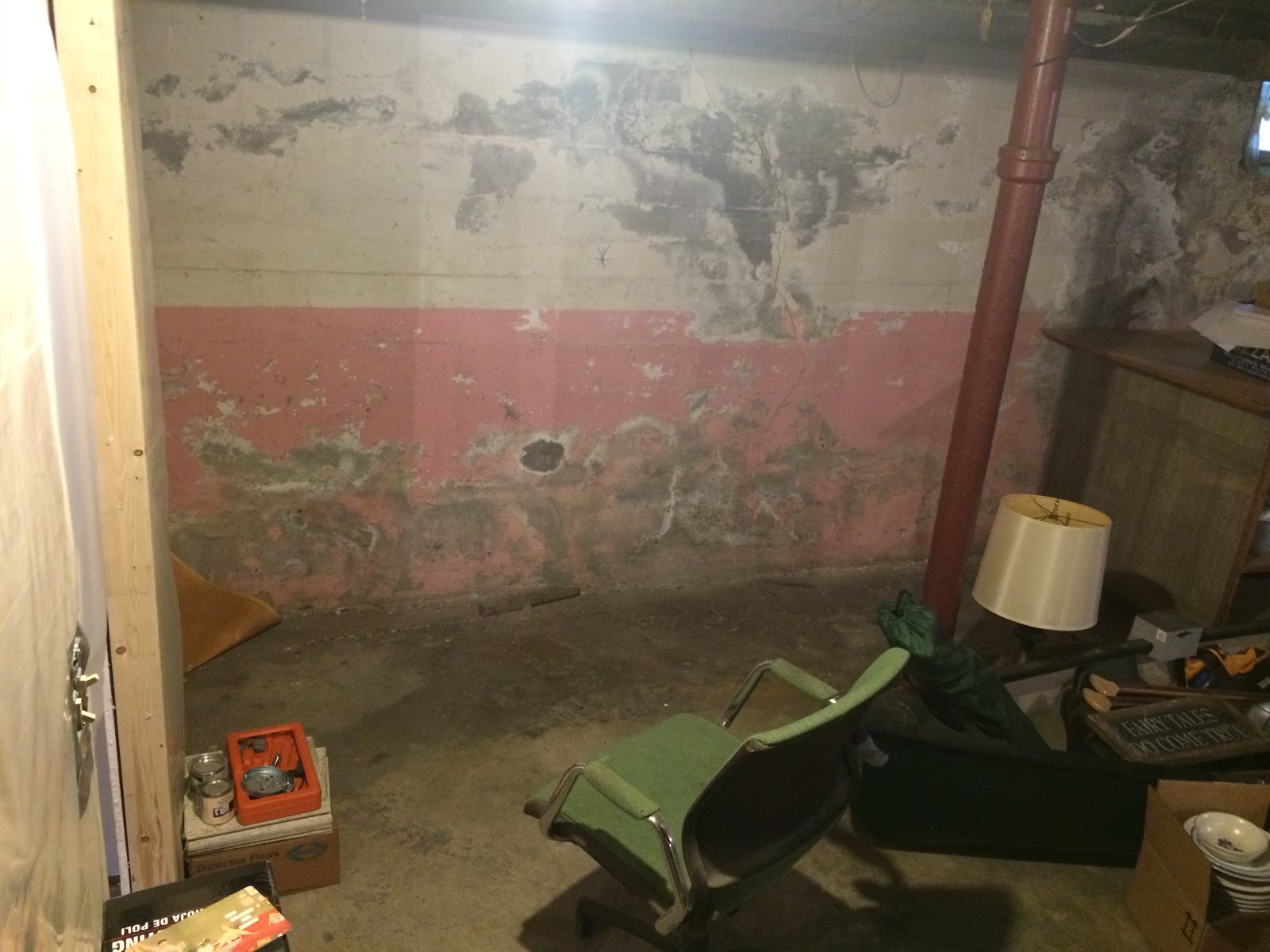
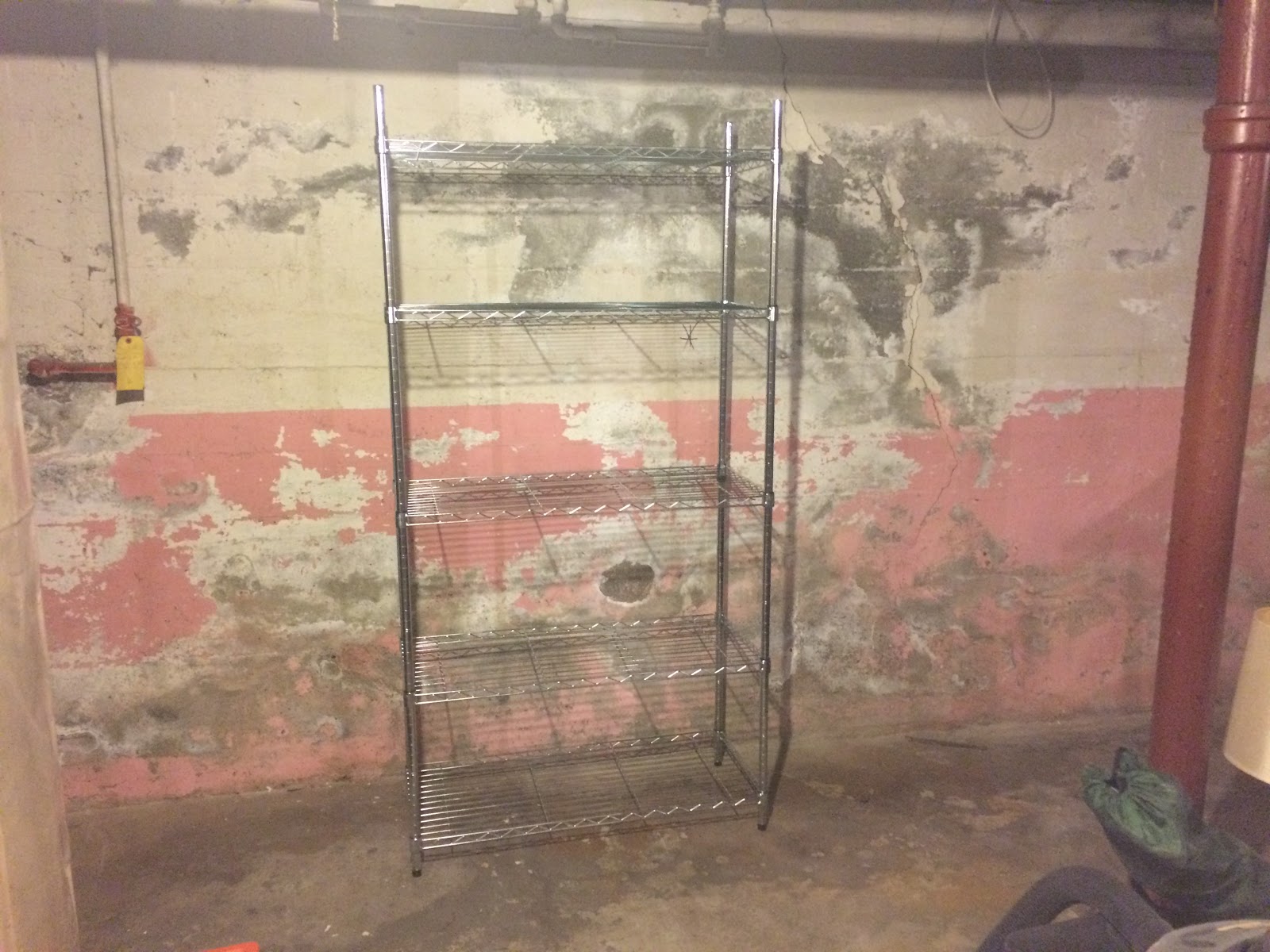
Here’s the space that was left. This was taken standing at the very foot of the stairs. You can see the wall of the new garage on the left.

And voila! New shelving with surplus kitchen things on it. It’s easy to run down and grab less frequently used things (canning supplies, old dishes, the large crockpot for entertaining).
One of my someday dream frivolous projects is to pull everything away from the walls and have them sandblasted and then repainted all white. As you can see, our whole basement was painted white and pink and since that time (the 1970s?) moisture has seriously eroded the paint, which flakes away horribly if you so much as look at the wall. I used the shopvac on the wall before putting the shelving in (you can see the difference in paint between the empty pic and the shelving pic) but it just didn’t do enough. It got the major chunks, but that’s it.
There’s more storage stuff going on in other parts of the basement, slowly but surely turning it into a better space. Some problems haven’t been resolved yet (see the canoe in the top picture? yeah.) but many of them have, and if I just keep chipping away I think by this time next year it’ll be all set.