
Please consider this a reminder that on Friday, November 7, I will be posting the kickoff post for the King of the Wind blog hop / readalong.
More about King of the Wind here, and more about the blog hop here.
Happy reading!
Please consider this a reminder that on Friday, November 7, I will be posting the kickoff post for the King of the Wind blog hop / readalong.
More about King of the Wind here, and more about the blog hop here.
Happy reading!
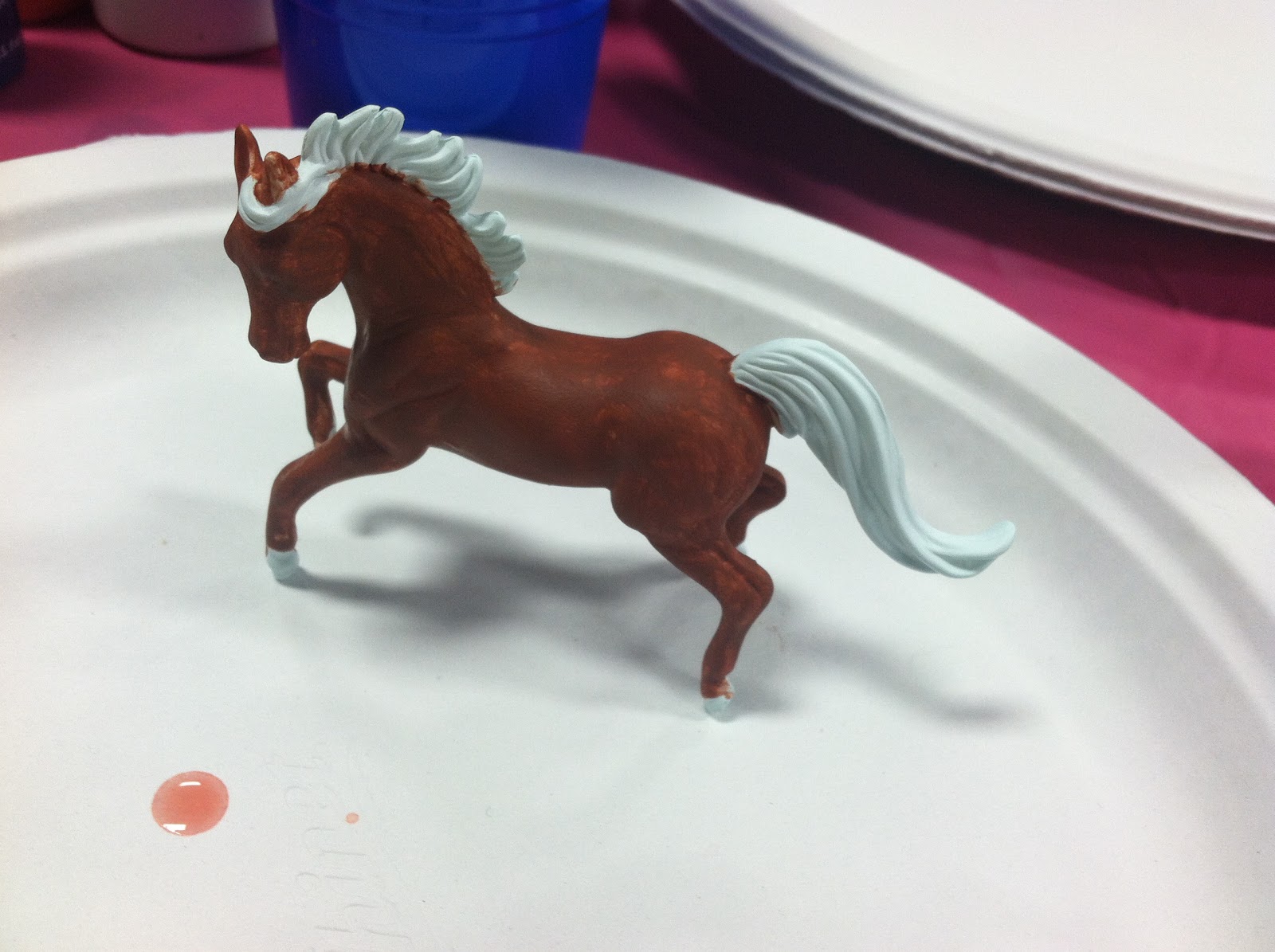
As I mentioned briefly in my recap of the Vermont Live Model Horse Show, I wandered into the main part of the farm store and almost immediately got sucked in to painting a Breyer Stablemate.
I’ll be honest: I spent an hour and a half painting my little Stablemate to look like Tristan. I had a three year old girl on one side of me and a five year old girl on the other side painting Stablemates pink and purple, and gold and orange, respectively. I got way, way too into it but it also turned into a lovely sort of zen thing and I’m happy with the results.
I’m usually terrible at all things artistic, so that this even turned out passably good is amazing.




I got to the barn intending to do some combination of trot sets and long & low dressage work. I looked at blue skies outside, no snow on the ground, and I couldn’t make myself stay inside. We’re predicted for rain the entire rest of the week and snow this weekend.
So I opted for a road hack instead, which was at times lovely and at times very frustrating. Tristan was not too enthused to leave his hay, and he wandered back and forth across the road on a loose rein. It’s a catch-22, really: if I let him have a loose rein he’s clearly happier and better moving, but he also takes it as an opportunity to wander and occasionally swing around and turn for home, especially in the first 15 minutes or so. If I pick up the reins and ask for contact his momentum stops and I have to do more “schooling” than I really want for a low-key road hack.
I wished, in retrospect, that I’d brought his quarter sheet as it was still chilly even with the blue skies (low 40s) but he warmed up and moved nicely, and was happy to get back to his stall with his stable blanket.

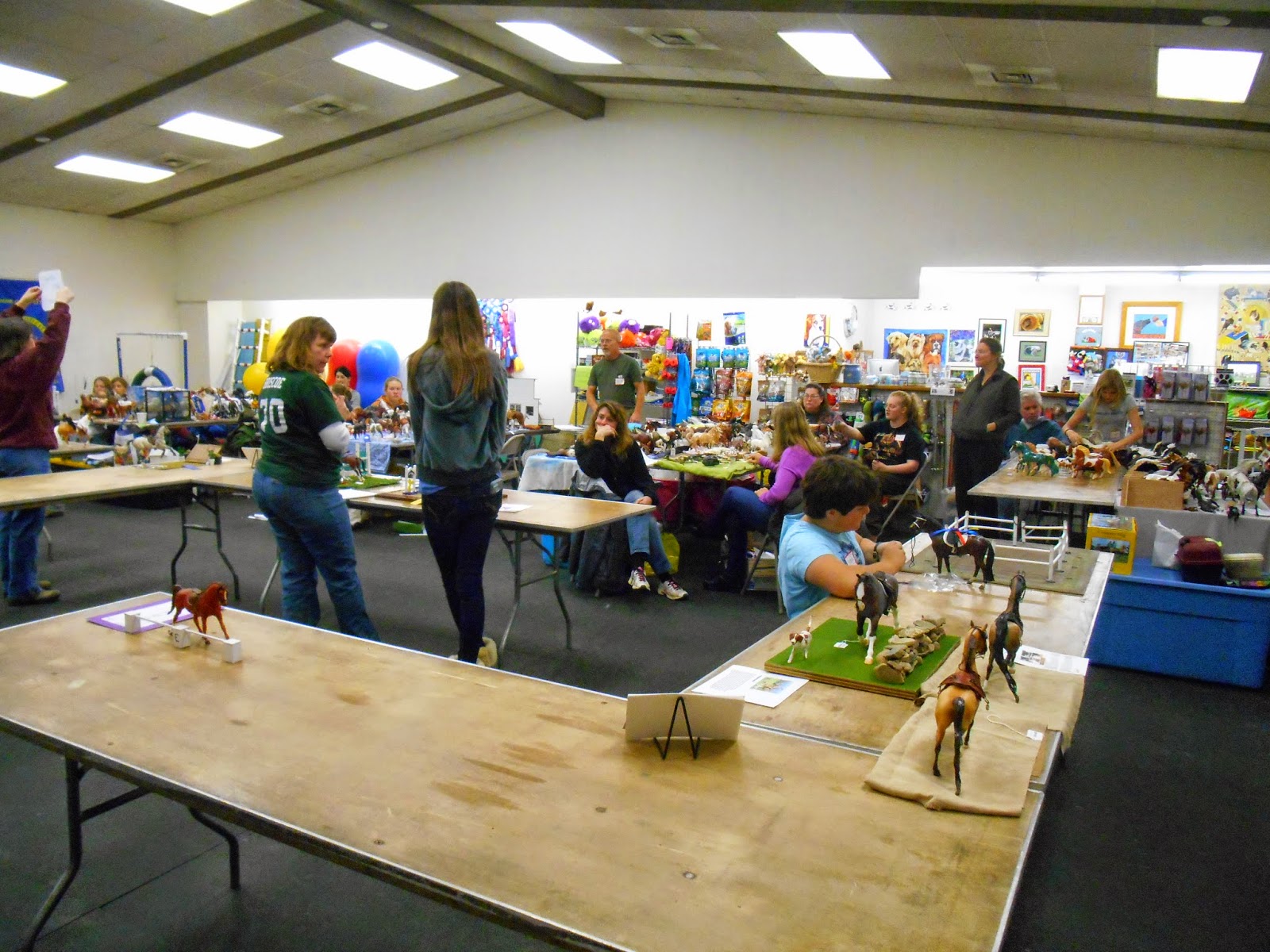
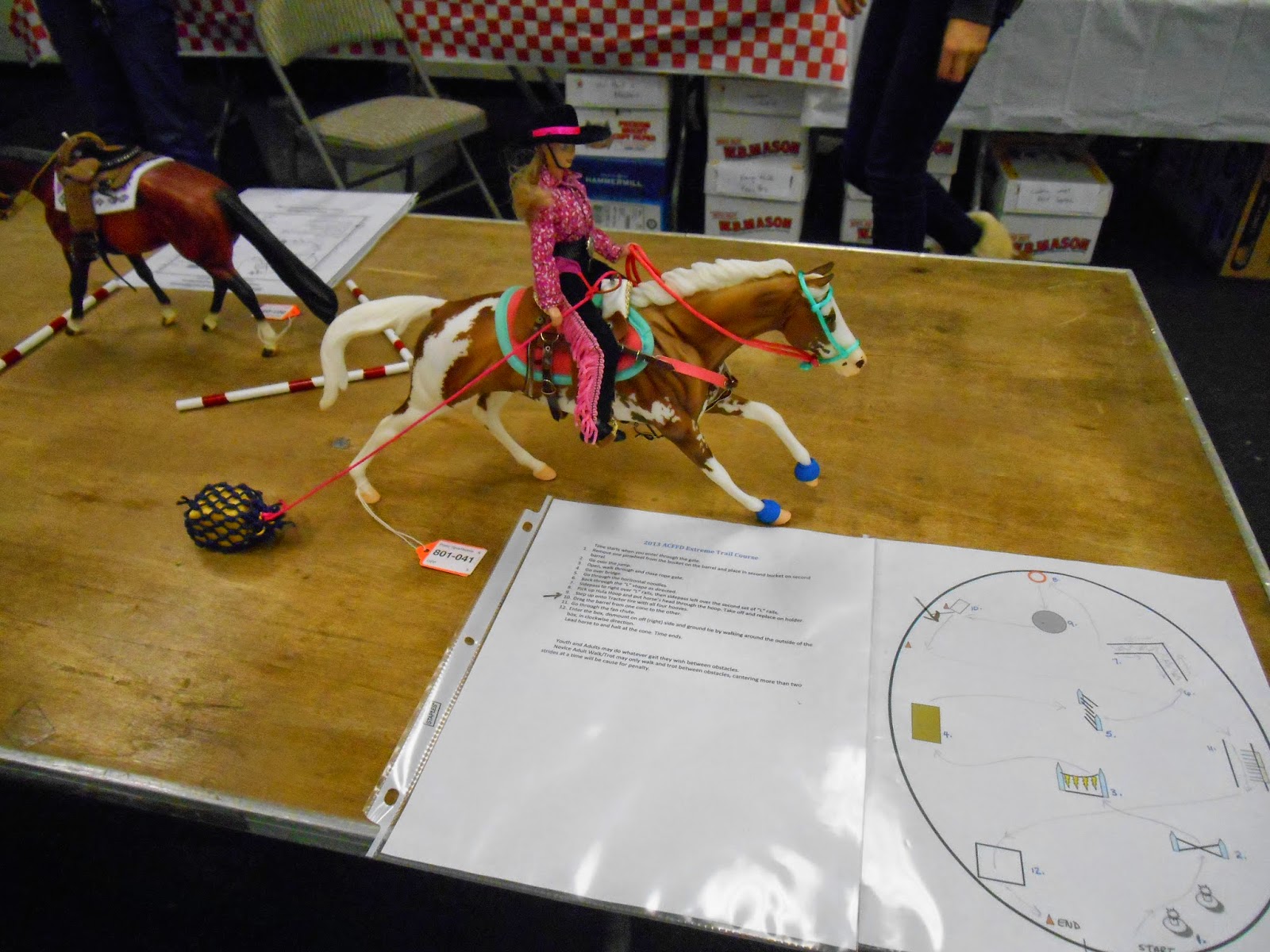
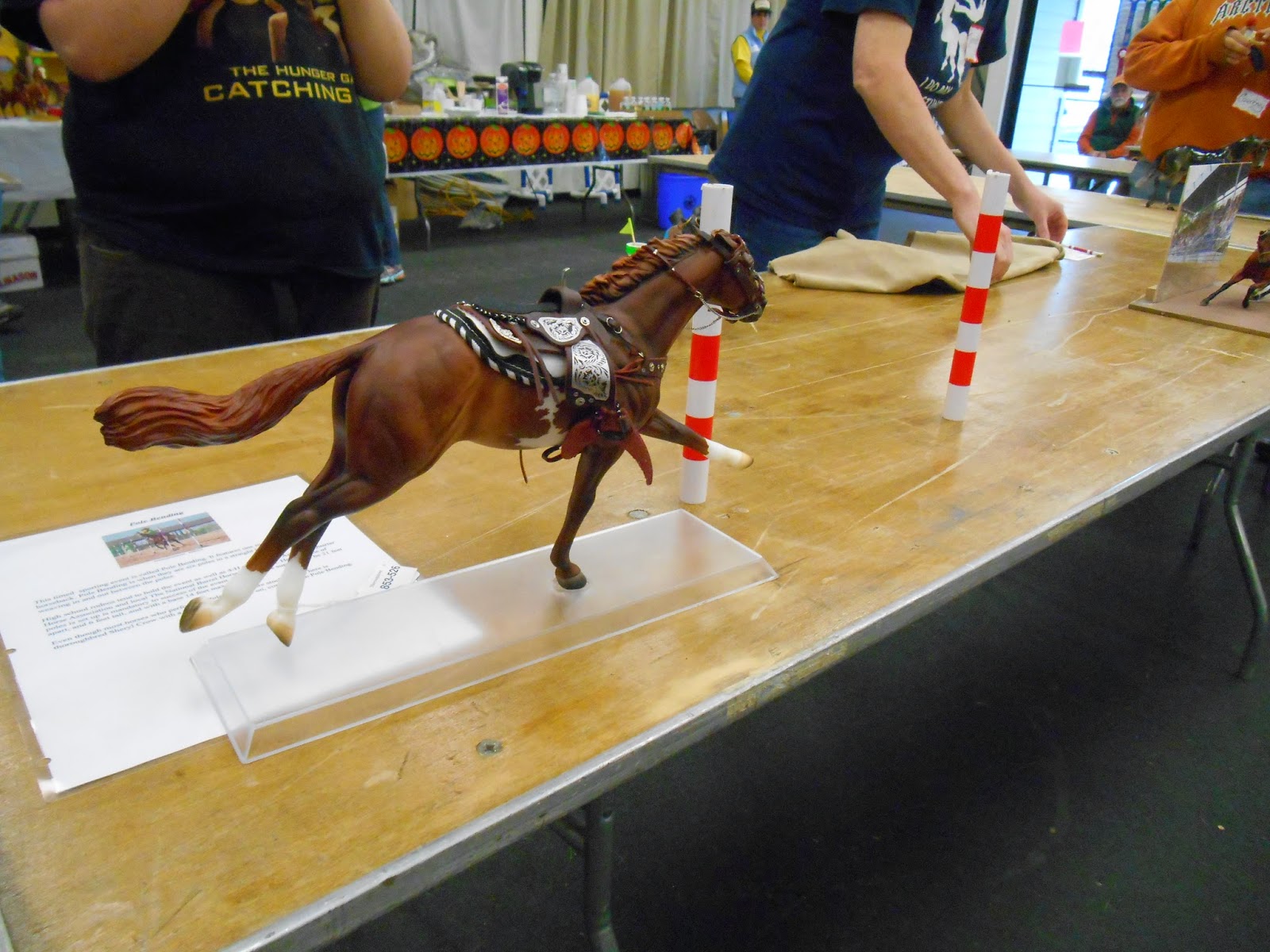
I am fascinated by the world of model horse showing, and follow blogs like Braymere Custom Saddlery with deep fascination. When I was at Everything Equine earlier this summer, I saw a card advertising the Vermont Live Model Horse Show at a local farm store, and my interest was piqued. I went back and forth on whether I’d be able to go, but a friend’s plans for the weekend fell through at the last minute, so off I went!
Here’s the registration form and the class list, if you’re interested.
When I first entered the room, I felt super awkward. Really, really awkward. It was relatively small and everyone there was very busy doing their thing and I was the only creeper hanging around staring at things. I can dive right into social situations where I have content background – I am that weird soul who loves professional networking – but a new social situation where I knew nothing of the background? Eep.


Thankfully, when I stopped at the front table to try and break the ice and ask if I needed to check in or anything, I struck up a conversation with one of the organizers. After that, it was easier to chat with some of the other show staff, from the helpers to the judges and a few people selling things.
I didn’t stay for the entire show; I ducked out to the car to charge my camera (which of course was being finicky about battery life) and then wandered through the main store and got totally sucked in to painting a custom Breyer Stablemate. But I saw enough of it to learn a lot and see how neat it was.
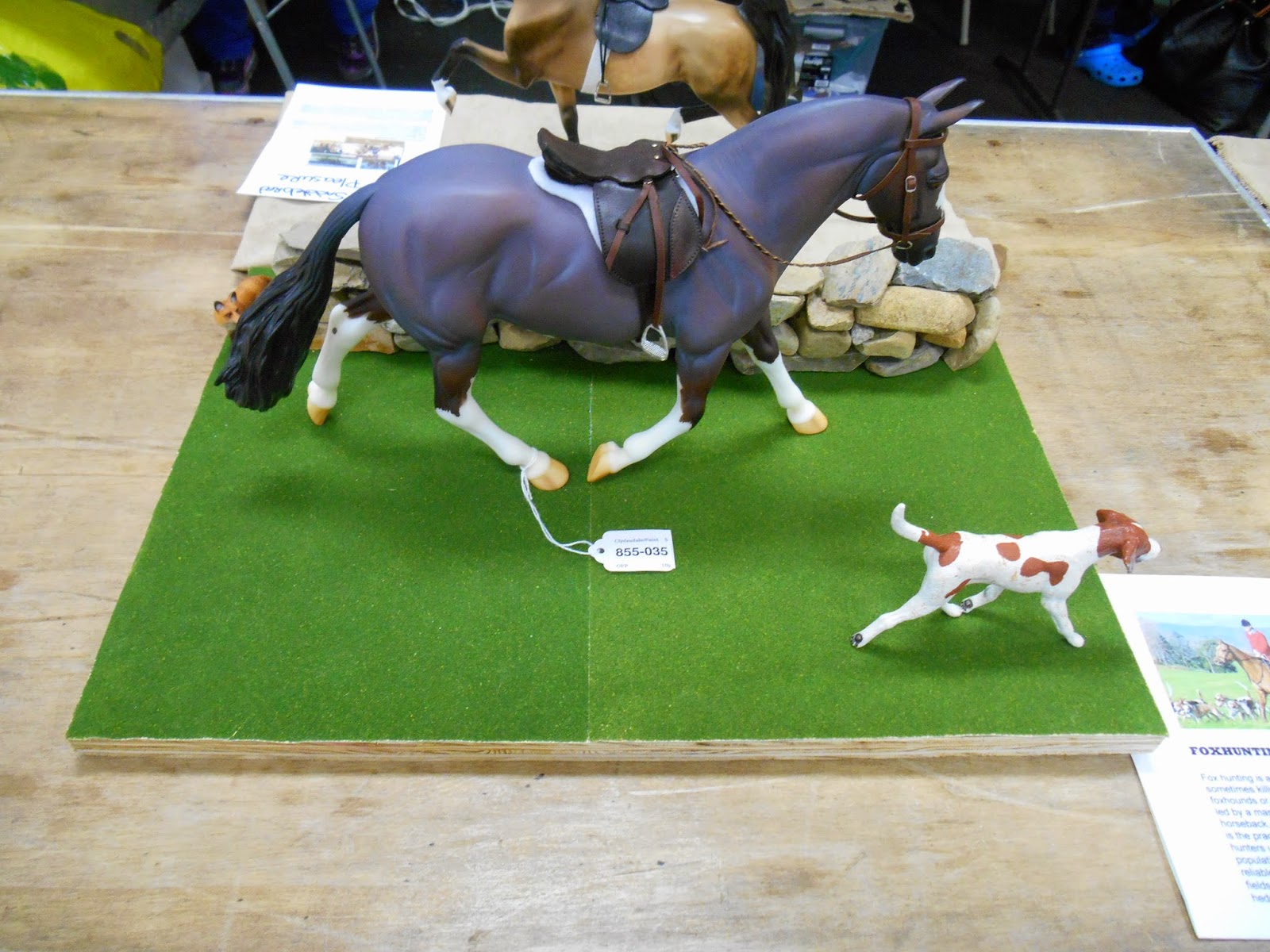
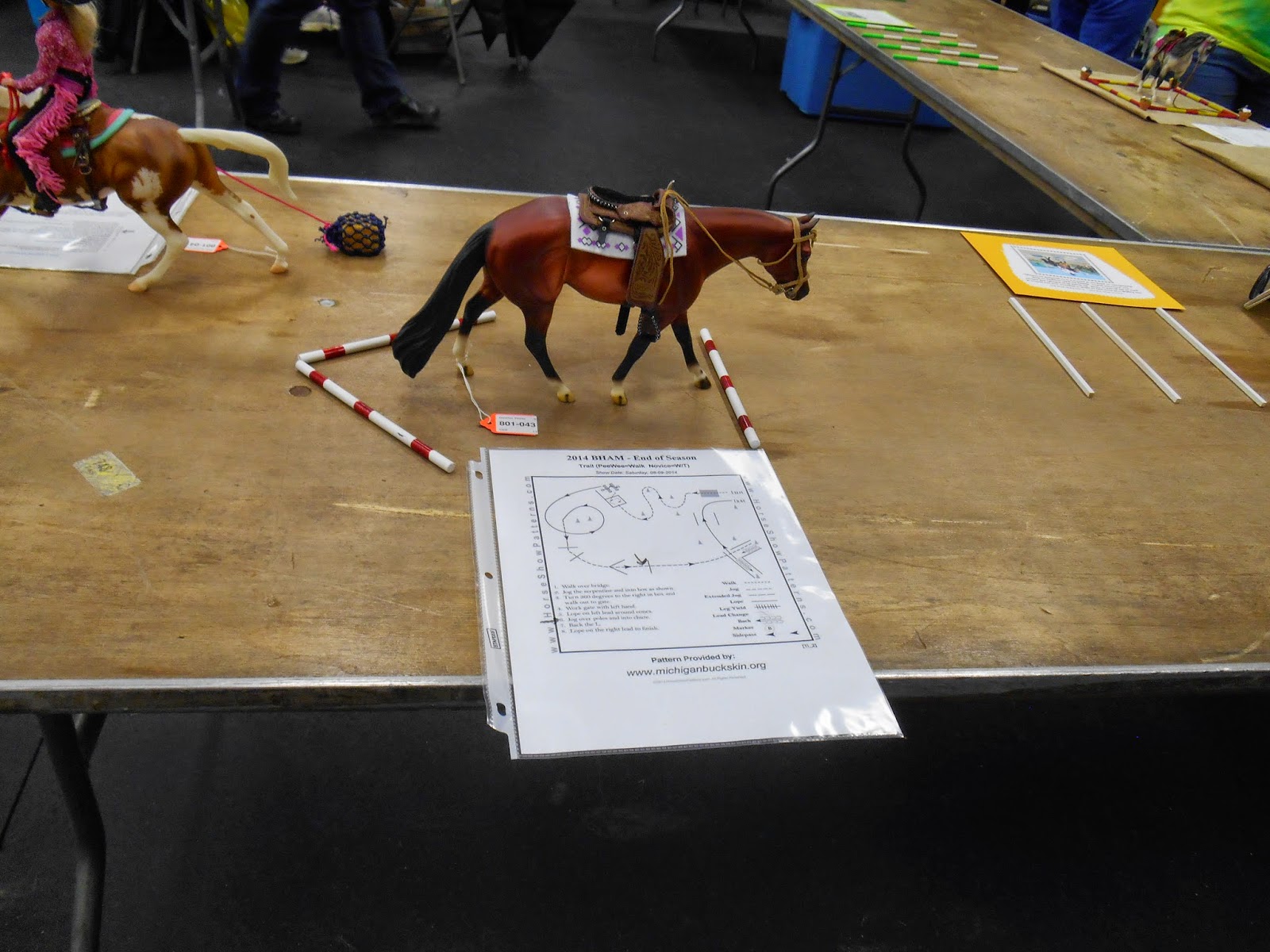
I think the thing I was overall most impressed with was the way competitors talked with the judges after the fact, and how incredibly detailed the feedback was. I don’t mean to take anything away from model horse showing when I say I had no idea that judges would be so careful as to have a long conversation with a competitor about the placement of their horse in relation to a fence so that the striding would be right relative to the horse’s motion. Or the extra small strap on the horse’s face meant to secure the bridle, but really an extraneous strap that wouldn’t have made sense in real life. Or the suitability of a particular stance, breed, setup, etc. to the class and the activity described.







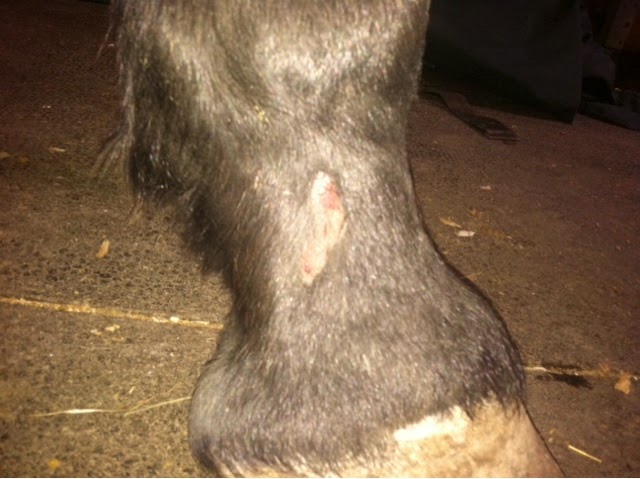
I’m really struggling with this question this year, so I thought I would do a straight-up pros and cons list. I’m going to present Tristan as an anonymous case study, and ask you all to weigh in on what you think. Ok?
Background: horse is a 19yo mustang gelding in work 3-5 days per week for 20-45 minutes each, primarily dressage and trail riding. Never been clipped before. Not a huge sweater (rarely more than a slightly damp/tacky coat in the girth and chest area once the weather cools), but typically does get warm enough to require extended cooling off time 1-2x per week over the winter.
Factors:
– horse exhibited signs of cold weather-related colic when temperatures began dropping this season, and will now be fully blanketed through the winter for the first time ever
– though the plan is to stay at 3-5 rides per week, there will no doubt be periods of time during the winter when 1-2 rides per week at the walk of short duration are the most work he’ll get due to extreme cold or snow
– horse was diagnosed with Cushing’s in August, is maintained on 1mg/day of pergolide, and is essentially asymptomatic on medication, with a totally normal winter coat and no signs of the classic long/wavy Cushing’s coat
– horse is heading into the winter at a body condition of about 5.5/6 after dipping down to a 4.5 or so this fall
– horse lost weight last winter, though not dramatically; say down from a 5 to a
– horse will have access to (essentially) free choice hay through the winter
– horse will have between 4-10 hours per day of turnout, depending on weather
– horse did not add muscle/wind well before starting medication for Cushing’s, and work will be harder for him as he regains fitness now that his body is capable of building it again; he has been running hotter than normal for the last 3-4 weeks
Possibly extraneous factors:
– owner is neurotic and terrified that clipping will result in constant vigilance to prevent cold-related colic symptoms
– owner also does not want to pile coolers and walk out for an hour after each ride
So: in my situation, what would you do?

Here’s a few interesting posts that came across my dashboard this week.
Deciding How Much to Clip and Why from Cob Jockey
Great, GREAT overview, with pictures, reasoning, and thoughtful commentary. I’m currently flailing around deciding whether to do a very light clip on Tristan for the winter, since he’s been sweatier this year than ever before. This was a really helpful read.
Vegas: The Prequel & Vegas: The Part Where We Actually Showed from The Roany Pony
I know exactly nothing about AQHA showing, and I was incredibly excited to see this, about the AQHA Championships in Las Vegas. What an amazing experience!
Griffin Lately: A Photo Journal from In Omnia Paratus
I love reading about Griffin’s progress. Liz has such a practical, discerning eye when it comes to training a young horse both mentally and physically. The comparative photos she shares are always amazing, and wow, what a difference in this installment!
Tack Ho Pro: Buying from Overseas from The $900 Facebook Pony
Great tips here, and a nice followup to the PS of Sweden bridle post. Have you ever bought tack or horse equipment from overseas? I haven’t, though the fiance buys hockey stuff (mostly jerseys) from overseas all the time.
Fall is in full swing & another case of the OTTBs from The Foxhunting Friesian
Check it out for the gorgeous photos of foxhunting in New England in the fall. Stay for the honest & heartfelt pang we’ve all had when our horses are not 100% suitable for the things we love to do with them.
Full Circle: From Breyer-Crazy to Breyer-Creator from Musings at Minkiewicz Studio
I was never truly what you’d call Breyer-Crazy, but I do have a soft spot a mile wide for them. This post is utterly amazing in the way it takes you through the creation and sculpture process for a new Breyer model. WOW. Read every word.
Can I just say, everything about the Pau livestream is making me happy this morning?
Gorgeous horses, check.
Retro tv design, check.
Hearing French and re-tuning my ear for it, check.
Excellent background to the work I’m doing today, check!
“You can never know everything. Part of what you know is always wrong. Perhaps the most important part. A portion of wisdom lies in knowing that. A portion of knowledge lies in going on anyway.”
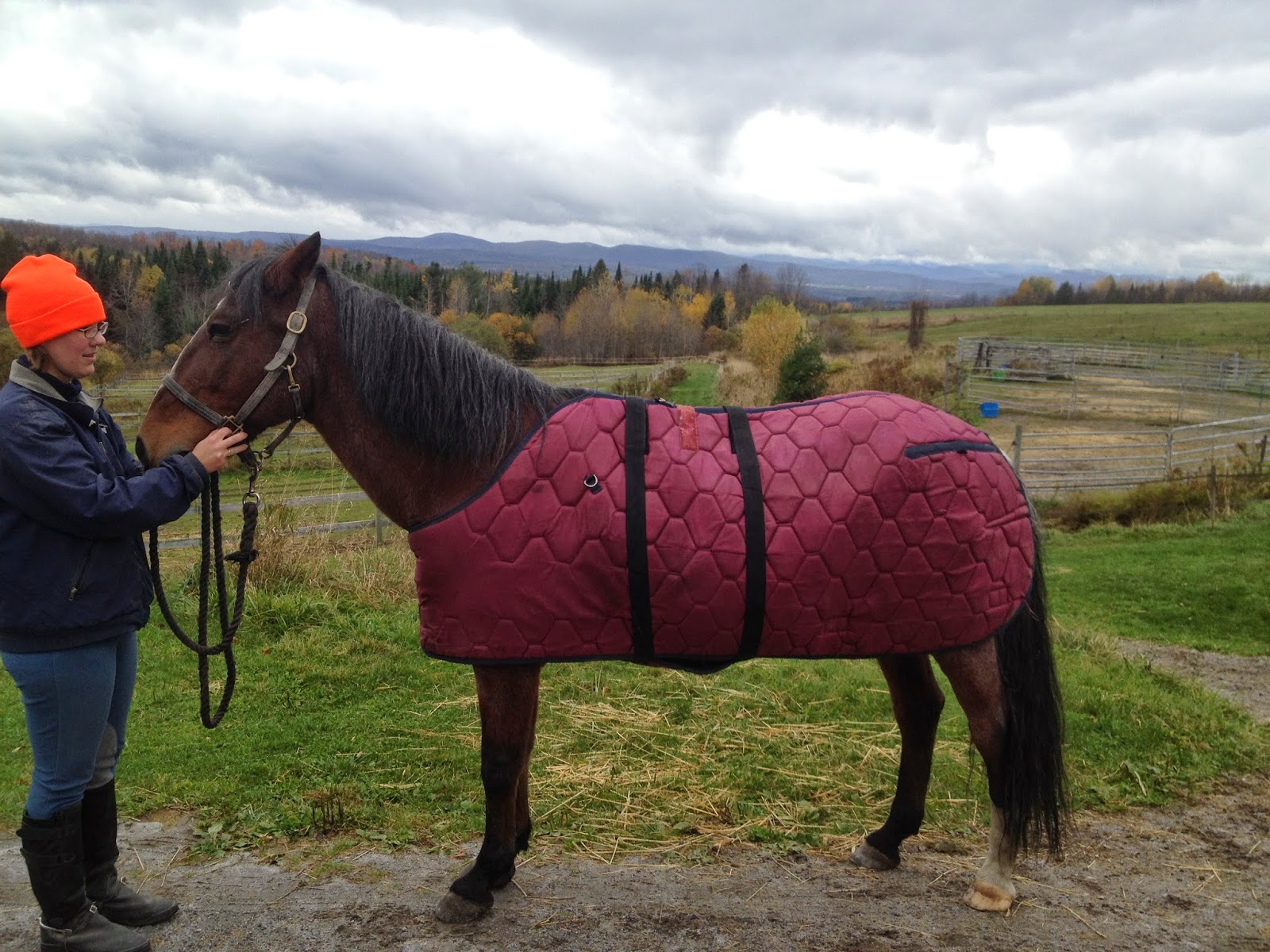
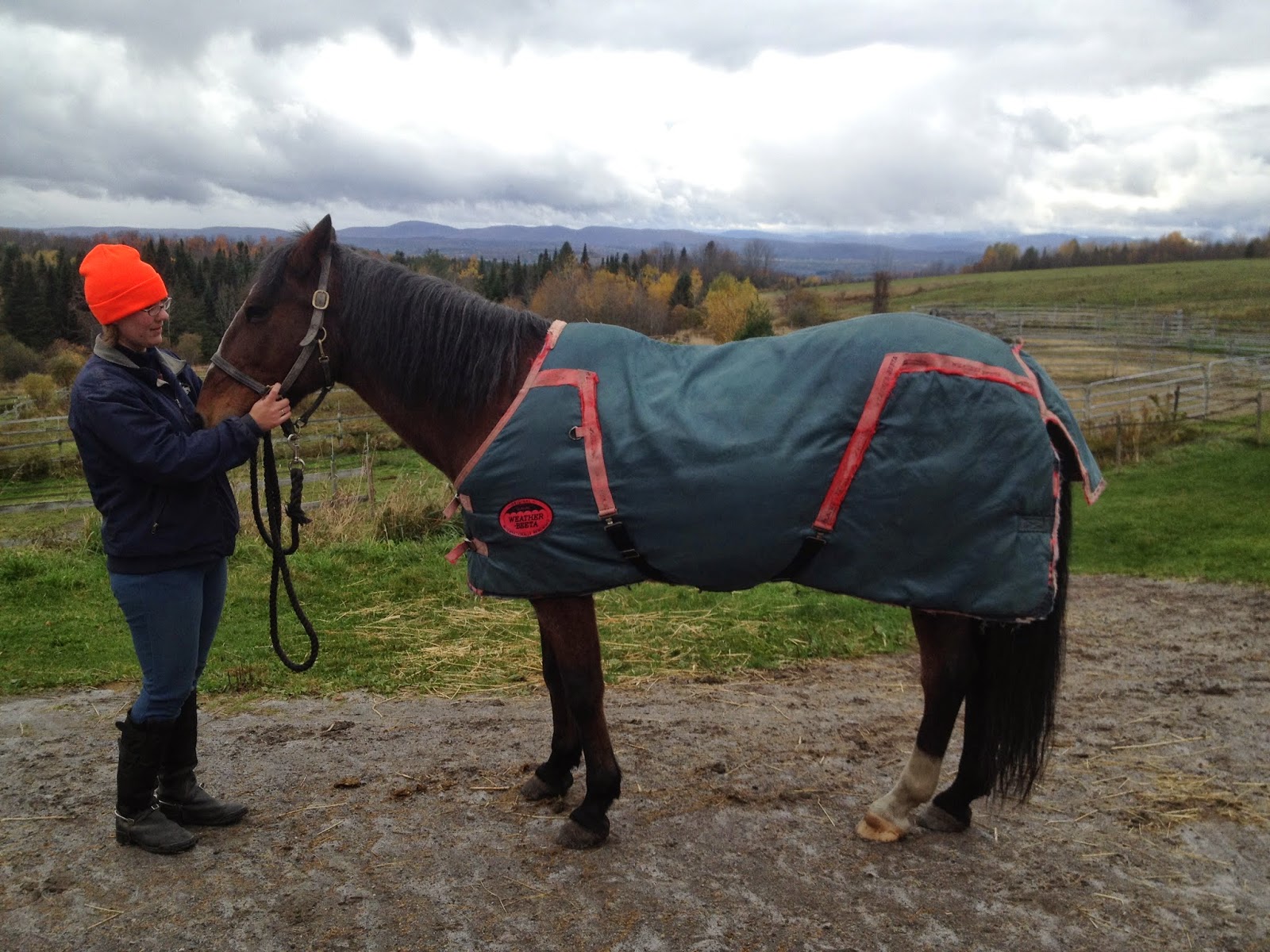
So I’ve gone back and forth and back and forth on this blog and 30x as much in private about Tristan’s blankets and sheets – what he would need this winter now that we know he needs some blankets, what to use, when to use them, what blankets to buy. I’ve had a dozen different solid plans that I’ve moved on and then discarded.
Here’s what has emerged as our plan heading into winter.


2. Fleece cooler. Used on its own sometimes (low 40s, high 30s in the barn) but mostly as a liner for a turnout sheet to create a sort of light-fill blanket. Now, I had a previous fleece cooler, but I bought this one new this year because the previous cooler did not have a belly band. This one does. It’s the Smartpak Fleece Cooler. I like some things about it a lot (styling, straps, length, and overall cut) and other things not at all (it’s long for the size and the back gather is awkward, and there’s no fleece at the withers to prevent rubs).

3. Turnout sheet. Unlined, basic, waterproof turnout sheet to use as a top layer over the sheet and cooler above, or sometimes on its own on a rainy but warmer day. This particular sheet has the distinction of being the one I’ve owned the longest for him: I used to keep him at a place that had the most incredible clay deposits in their pastures, and all horses in that barn went out during mud season in turnout sheets. Otherwise you’d be currying dried clay off of them for an hour before you could ride. It’s a Saxon that I’ve always really liked, actually, for all that it’s a “cheap” sheet. Basically the older model of this sheet.

 beljoeor.com